Capital & ComputeAI economics, mapped

Follow the money behind intelligence.

AI looks like software. Underneath, it is a system of chips, power, models, labor and capital. Choose a thread and follow it all the way down.

Latest stories

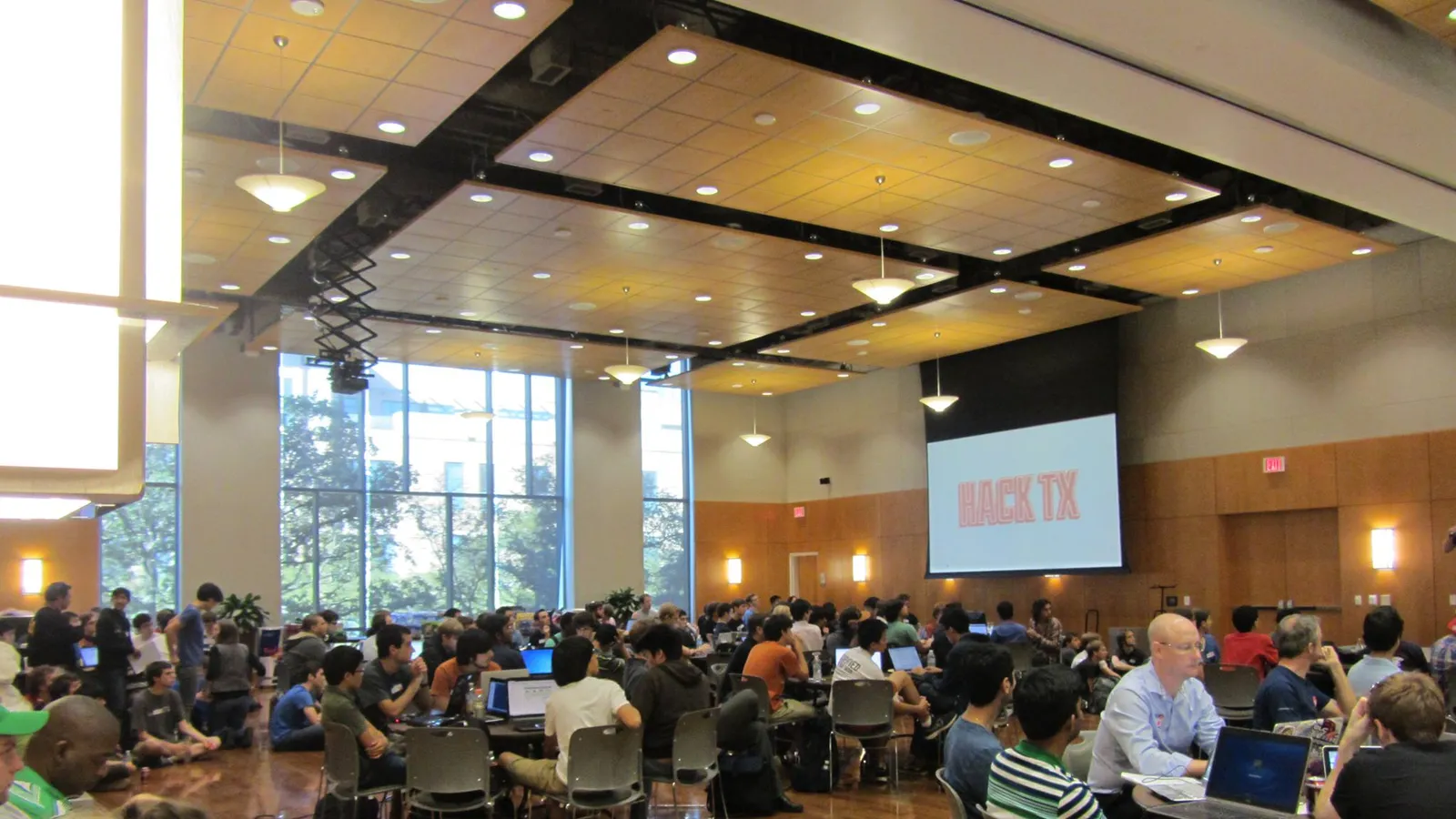
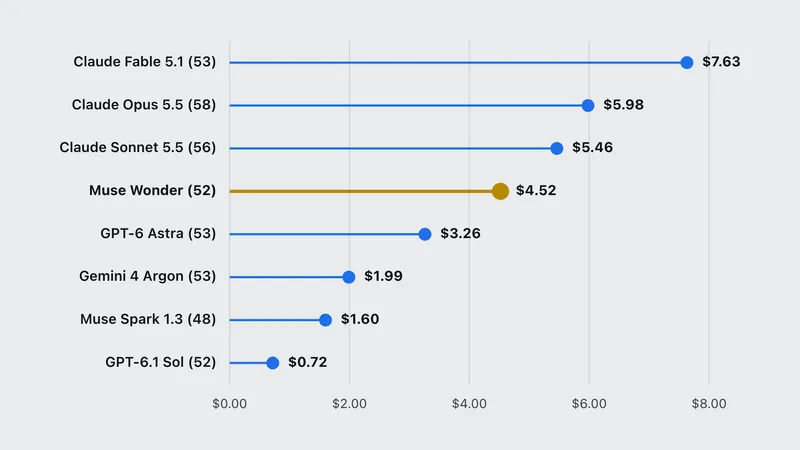
  1. Muse Wonder: Pricing, Benchmarks, Cost per Task
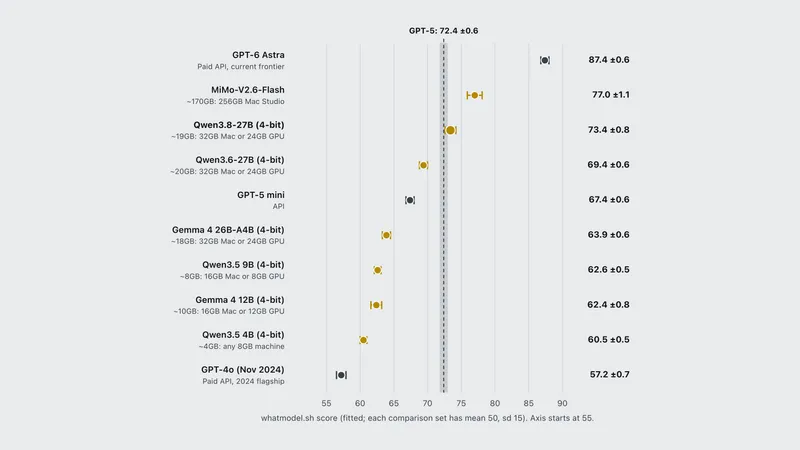
  2. Best Local LLMs as Good as Paid AI, Ranked by RAM
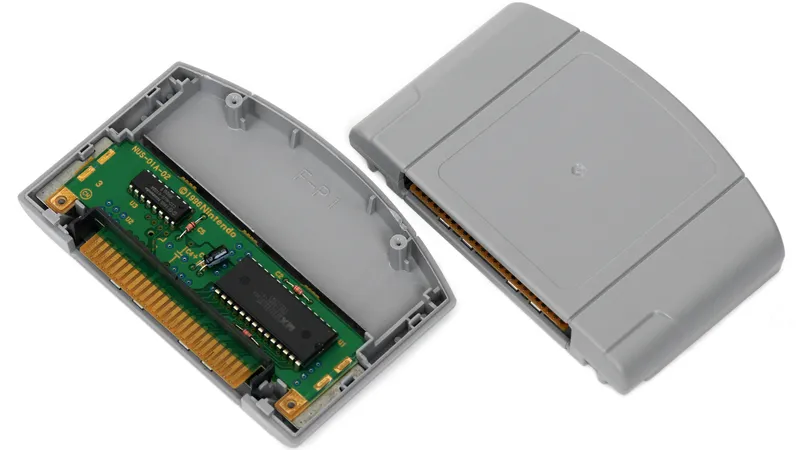
  3. Which Games Has AI Decompiled? The Verified List
  4. Warp Pricing Explained: What $20 a Month Buys Now
  5. What Is REA? Reverse Engineer Apps With AI Agents
  6. Why Mathematicians Are Furious at OpenAI's 722 Proofs

Today on the desk.

Four readings, each dated and linked to the tracker it came from.

  1. New AI models

    18shipped in October 2026

    13 labs. Newest: Muse Wonder from Meta.

    MetaAlibabaAnthropicGoogleMicrosoftCloudflare+7 more

    As of Oct 13, 2026

  2. 32GB DDR5 kit at retail

    $456 to $590$14.25 to $18.44 per GB

    Plus DDR4, HBM and server RDIMM street prices.

    Typical listing price for this kit, flat through 2025 then climbing steeply to about $604.

    As of Oct 7, 2026

  3. Model prices and lifecycle

    50models with verified rates

    1 more announced or rumored. Every rate is source-linked.

    Input price of each tracked model on a log axis, from $0.1 to $10 per million tokens, with most of the field bunched at the cheap end.

    As of Oct 13, 2026

  4. AI benchmarks

    117benchmarks, 12 categories

    86 still active, the rest saturated or retired.

    New benchmarks introduced per year from 2017 onward, peaking sharply in 2024.

    As of Oct 1, 2026

14 labs, 53 models trackedAnthropic11OpenAI8Google7Meta6Alibaba4DeepSeek3xAI3Zhipu3Moonshot2Thinking Machines2Cohere1Mistral1Reflection AI1Unbiased1

More from the desk.

All 194 analyses

What the numbers look like.

Three pictures from the same datasets the trackers run on. Each one is drawn at build time from a dated snapshot, not a live feed.

Intelligence you get per dollar you spend.

AI model Artificial Analysis Intelligence Index against blended price per million tokensScatter of 18 models across 13 labs: every model on the cost-efficiency frontier, plus the highest-scoring and the newest model from each lab. The horizontal axis is blended price per million tokens on a log scale, computed as three parts input plus one part output. The vertical axis is the Artificial Analysis Intelligence Index, 0 to 100, not a percentage, each model at its highest-effort setting. A model sits on the drawn frontier when no other model beats it on price and score at once.010203040506070$0.2$0.3$0.5$1$2$3$5$10$20$30Blended price per million tokens, log scaleIntelligence Index (0-100)Claude Haiku 5.5GLM-5.3-FlashMiniMax M3DeepSeek V4.1 FlashMistral Large 4Nemotron 3 UltraMuse Spark 1.3GLM-5.3InklingGrok 4.7Qwen3.8 MaxClaude Sonnet 5.5Gemini 4 ArgonGPT-6.1 SolKimi K3Claude Opus 5.5Muse WonderGPT-6 AstraOn the frontierDominated: cheaper and better exists
AI model Artificial Analysis Intelligence Index against blended price per million tokens
ModelIntelligence IndexBlended price per MtokOn the cost-efficiency frontier
Claude Opus 5.558$8.00Yes
Claude Sonnet 5.556$4.00Yes
GPT-6 Astra53$20.00No
Gemini 4 Argon53$4.00No
GPT-6.1 Sol52$4.00No
Muse Wonder52$8.00No
Muse Spark 1.348$2.00Yes
Grok 4.746$3.00No
GLM-5.345$2.20No
Qwen3.8 Max45$3.00No
Kimi K344$6.00No
Claude Haiku 5.543$0.20Yes
GLM-5.3-Flash42$0.24No
DeepSeek V4.1 Flash39$0.52No
Mistral Large 438$1.03No
MiniMax M329$0.50No
Inkling25$2.57No
Nemotron 3 Ultra23$1.40No
Scores as of Oct 13, 2026Intelligence Index from Artificial Analysis, each model at its highest-effort setting; prices from this site's model registry, blended at three parts input to one part output. Showing every model on the frontier plus each lab's highest scorer and newest release, 18 of 27 scored models. The leaderboard ranks on a different composite, so its numbers will not match these. New this week: Muse Wonder (plotted at its standard $4/$20 rate, the same as Claude Opus 5.5). Muse Wonder Full is not plotted: it has no API price, only Muse Code plans. Last week: Claude Haiku 5.5 (plotted at its rate for prompts up to 100,000 tokens) and Mistral Large 4 (plotted at its half-price launch sale). Reflection AI’s Beam is not plotted: it has no public price or independent score yet.

A 32GB DDR5 kit, since April 2025.

Retail price of a 32GB DDR5-6000 kitTwo lines over 51 readings from 2025-04-04 to 2026-10-07. The typical listing held near $126 for nine months, then rose through late 2025 and early 2026 to a peak near $594. The cheapest tracked retailer follows the same shape from $59 to about $396.$0$200$400$600$800Jul 2025Jan 2026Jul 2026Typical listing$592Cheapest tracked$456
Retail price of a 32GB DDR5-6000 kit
DateTypical listingCheapest tracked
2025-04-04$125$59
2025-06-11$129$55
2025-08-01$132$54
2025-09-21$132$63
2025-11-11$274$98
2026-01-01$483$195
2026-02-21$579$195
2026-04-13$546$390
2026-06-03$576$201
2026-07-24$573$390
2026-09-06$586$420
2026-09-09$585$420
2026-09-12$577$425
2026-09-15$581$425
2026-09-18$584$429
2026-09-21$602$429
2026-09-24$603$429
2026-10-07$592$456
Reading as of Sep 25, 20262x16GB DDR5-6000 CL30, from WhereIsMyRAM. A multi-retailer aggregated tracker, so a secondary source, and its basket excludes Amazon, which makes this series not directly comparable with the Amazon-based per-GB figures on the tracker page. Retail is a range: the two lines are the cheapest price found and what a typical listing asks.

The price of intelligence, 150x down.

AI output price per million tokens over time, frontier flagship against the fixed-capability floorOutput price per million tokens on a log axis. The cheapest model at or above the March 2023 GPT-4 quality bar fell from $60 to about $0.40, roughly 150 times. The frontier flagship line held near $60 from 2021 to 2024, halved to $30, dipped to $20 on a promotional rate, then rose to $50 in September 2026 when GPT-6 Astra and Claude Fable 5.1 set the new frontier tier.$0.10$1$10$10020222023202420252026Cheapest GPT-4-class model$0.40Frontier flagship$50
AI output price per million tokens over time, frontier flagship against the fixed-capability floor
DateCheapest GPT-4-class modelFrontier flagship
2021-11-01$60
2023-03-01$60$60
2024-05-01$15
2024-07-01$0.60
2024-12-01$60
2026-07-01$0.40$30
2026-08-21$20
2026-09-03$50
Prices as of Sep 26, 2026Historical anchors from a16z's LLMflation, later points from provider launch and pricing pages. Buying a fixed capability got 150x cheaper; buying the frontier barely moved, and in September 2026 it got more expensive.

What AI really costs.

Every number checked, dated, and linked to its source.

The price you are shown is never the price you pay. Your flat monthly plan is still metering tokens behind the scenes. Your coding agent burns most of its budget on tasks it never finishes. The data center sold in gigawatts arrives three years late, stuck in line for electricity.

This site works out the real figure and shows you where it came from.

Six subjects, one question: what does this actually cost to run?

AI costs
What one task costs start to finish, not the sticker price per token.
Coding agents
Why the setup around a model drives your bill more than the model does.
Models and benchmarks
Whether a leaderboard score holds up on real work. Usually it does not.
Local AI and hardware
Buy the GPU or rent the API? The math, redone every time RAM prices move.
Compute infrastructure
The power, the buildings, and the debt behind every model you use.
AI markets
Who is making real money from AI, and who is only moving it around.

The free trackers handle the moving parts. Model prices, GPU and memory street prices, benchmark definitions, provider rates, cost per task: each one is a dated dataset, read again at the source whenever the market shifts. You will never be handed a screenshot from six months ago.

Nothing on this site is guessed. A benchmark score comes off the leaderboard, not out of a launch post. A price links to the page it was read from. No ranking is for sale, and any paid link is labelled as one. Anything that turns out to be wrong gets corrected in the open.

Check the numbers yourself.

Every figure links to its source right where it appears, not in a footnote at the bottom. The data behind the trackers is published as JSON, so you can cite it directly instead of scraping the page. Each post says how many sources it stands on and when those numbers were last checked.

The label matters as much as the link. A preprint is called a preprint. Documentation written by a vendor is called documentation, not independent proof. Coverage from another outlet says whose reporting it is.

Prices and scores are stamped with the date they were confirmed. A rate checked in March proves nothing in August, and leaderboards reshuffle faster than any page can keep up. When a number is estimated rather than measured, the assumptions are laid out so you can redo the math, or argue with it.

Published analyses
194
Free tools
33
Open datasets
22
JSON endpoints
9
Last published
Oct 13, 2026

Questions about this site

What does Capital & Compute cover?
The economics of AI infrastructure: what coding agents and model APIs cost per finished task, whether running inference locally beats renting it, what a benchmark score means once you leave the test set, and the capital, power and memory supply sitting behind the models. Six topic areas, 194 published analyses, and a set of maintained price and benchmark trackers.
How are the numbers sourced?
Every factual or statistical claim links to its primary source at the point the claim is made, names who produced it, and states the year. A preprint is labeled a preprint. Vendor documentation is labeled documentation rather than an independent finding. Posts built on research close with a full source list, and each figure records the date it was checked.
How often are the price trackers updated?
Each tracker carries an as-of date and is refreshed against primary sources when the underlying market moves, not on a fixed schedule. Model pricing follows provider rate cards; memory, GPU and storage prices follow spot indices, contract forecasts and retail listings. A reading is a dated snapshot rather than a live feed, so confirm anything time-critical at the source before quoting it.
Can I reuse the data?
Yes. The datasets behind the trackers are served as JSON at stable URLs so a number can be cited or rebuilt instead of scraped, and an llms.txt describes the site for AI answer engines. Attribution with a link back is appreciated.
Who writes it?
Capital & Compute publishes under the brand rather than a personal byline. The work is meant to be judged on whether its sources hold up, which is why every claim is linked and dated, why methodology is stated alongside the number, and why corrections are published rather than edited in quietly.