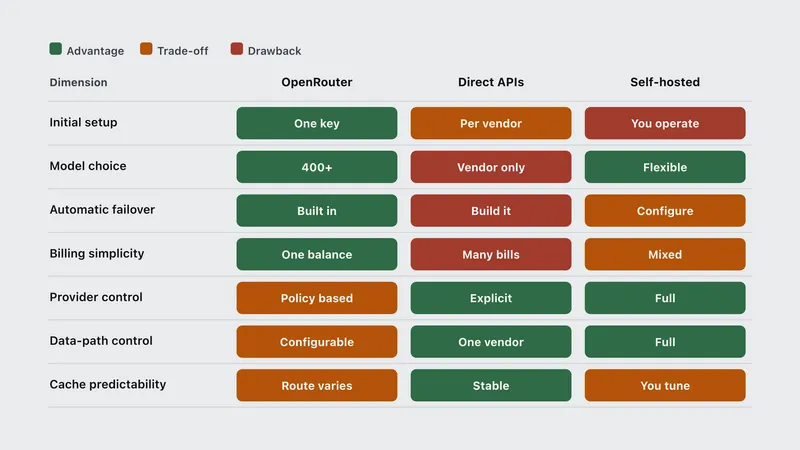
OpenRouter AI Explained: Pricing, Privacy and Tradeoffs
OpenRouter AI gives developers one API for 400+ models. See its real fees, privacy controls, pros, cons, and when going direct costs less.
Independent analysis of the systems, prices and markets behind artificial intelligence.
OpenRouter AI gives developers one API for 400+ models. See its real fees, privacy controls, pros, cons, and when going direct costs less.
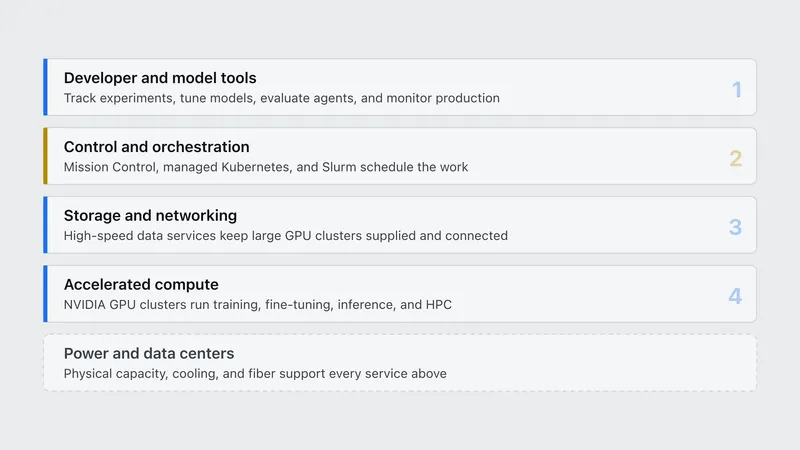
What does CoreWeave do? See how its GPU cloud works, who uses it, how it makes money, its NVIDIA relationship, and the risks behind its rapid growth.
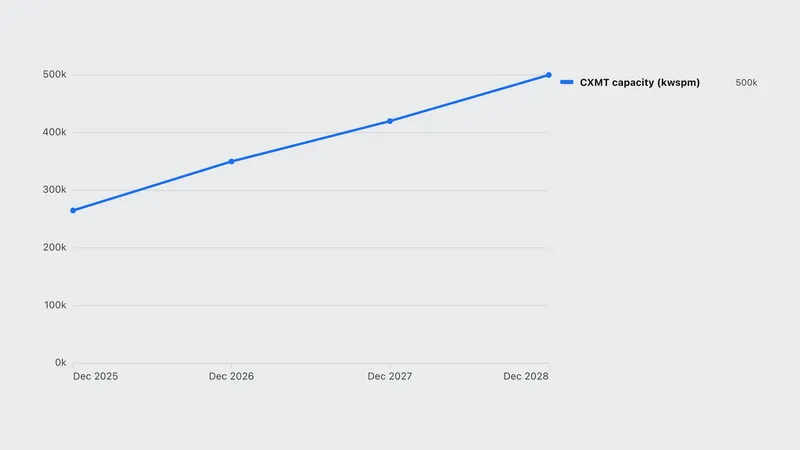
CXMT is the largest DRAM maker in China, now the number four global supplier, closing in on Micron on capacity while its HBM chips stay years behind.
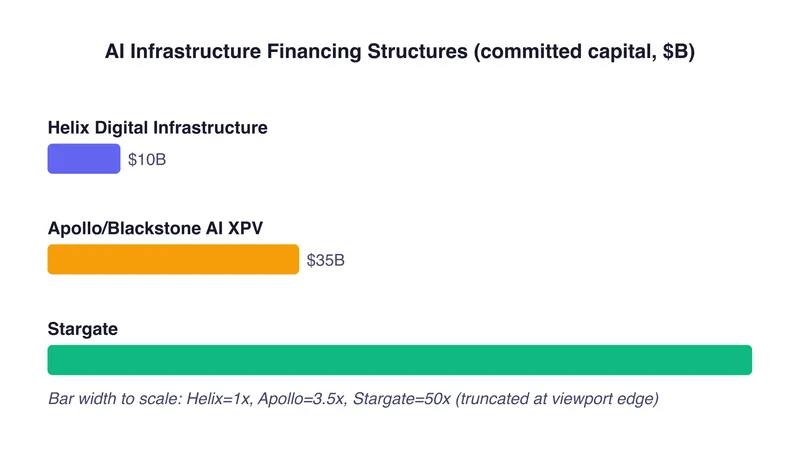
How AI infrastructure gets financed in 2026: Helix (KKR/Nvidia), Apollo/Blackstone (Anthropic), Stargate (OpenAI), and what this means for model pricing.
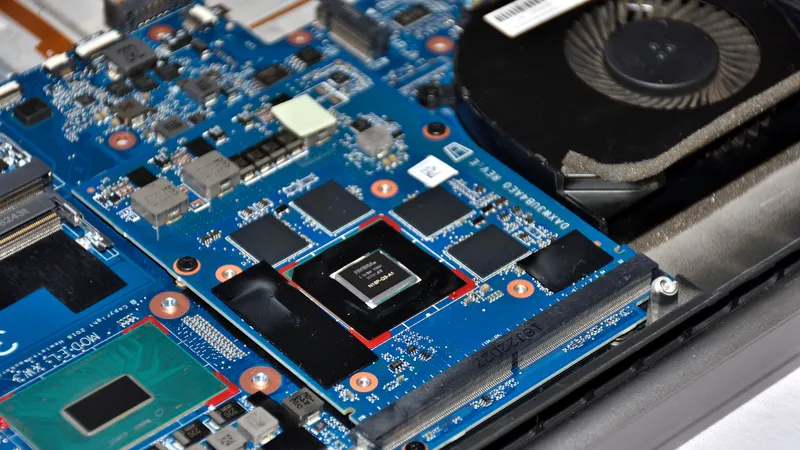
The best open-weight AI models in 2026, ranked by use case: coding, long context, multimodal, on-device, and the real cost per finished task.
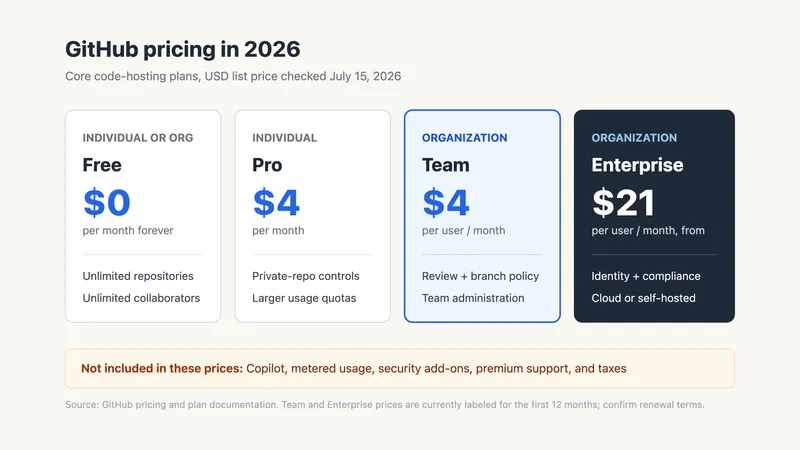
GitHub pricing starts at $0. Compare Free, Pro, Team, and Enterprise costs, included usage, add-on fees, and which plan fits your team in 2026.
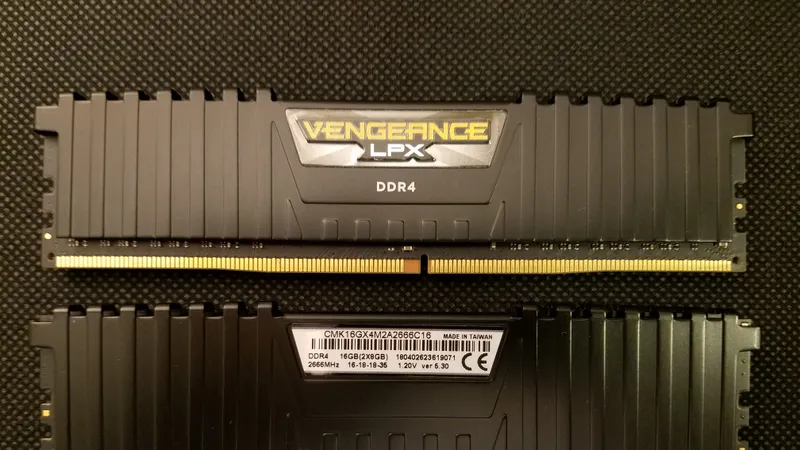
A 32GB DDR5 kit went from $59 in April 2025 to $456 in October 2026. Here are 7 ways to pay less for memory, and the one saving that still works.

Kimi K3 lists $3.00 input, $15.00 output and $0.30 cached per million tokens: closed-frontier pricing on an open-weight model. Who should skip it.
Who is Matei Zaharia? The Apache Spark creator and Databricks co-founder also helped build MLflow. Here is how his work shaped modern data and AI systems.
OpenAI is spending nearly 6.5 billion dollars to build a screenless AI smart speaker. The business logic, the running costs, and the Apple lawsuit risk.
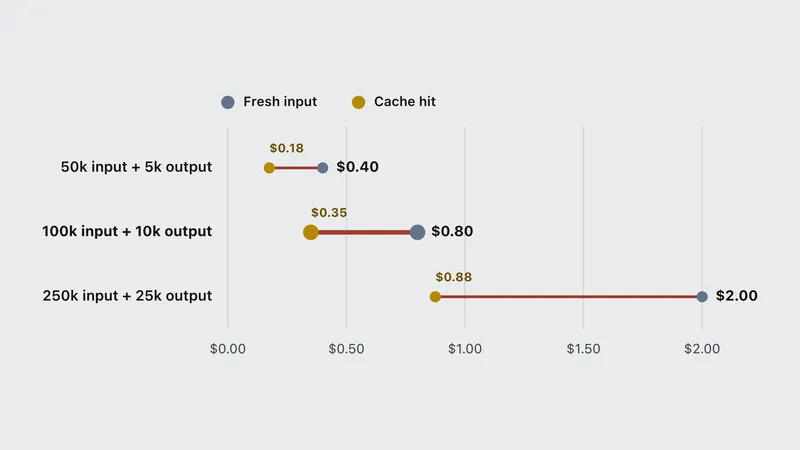
Unexpected OpenAI or Claude API bill? Trace the cost to context growth, cache misses, reasoning tokens, tool calls, retries, or a runaway agent.
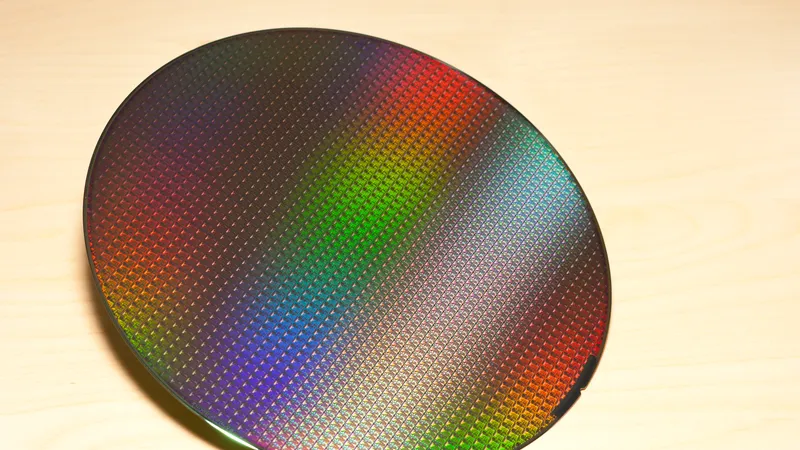
Consumer DDR5 has gone flat while contract and HBM prices keep climbing. Here are the signals that show whether the 2026 memory cycle is peaking.
Should you build your own AI agent harness or adopt Claude Code and Codex? A cost and control decision guide: adopt, extend, or build.
DBOS is an open-source durable execution library that keeps AI agent harnesses running through crashes, restarts, and deploys. What it is and when to use it.
Harbor-Index is a new AI agent benchmark where no model scores above 30 percent. How its 82 tasks were built, what the leaderboard costs, and why it matters.
OpenAI GPT-5.6 Sol, Terra and Luna versus Anthropic Claude Opus 4.8 and Fable 5: price, benchmarks and which model to pick in 2026.
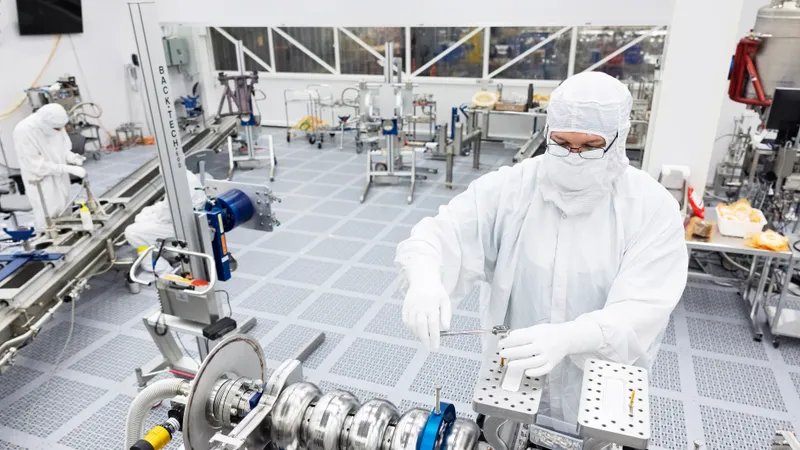
The 2026 memory shortage explained: why AI and HBM demand starved consumer DRAM, and how the mainstream DDR4 spot chip went from $12 to $46.32.
Training a frontier model costs $1B+. Breakdown of compute, energy, data, and R&D costs across the three leading labs, and what they mean for API prices.
Six repeatable Claude Code workflows for planning, subagent research, parallel worktrees, verification, and slash-command pipelines, with when to use each.
Every new AI model released in July 2026 with dates, per-token prices and primary sources, plus how every model listed as upcoming that month has resolved.
Cursor got pricier and its owner changed. Compare the best 2026 alternatives ranked by real cost per task, not sticker price.
GPT-5.6 Sol leads the Artificial Analysis coding leaderboard, and since the August 21 price cut to $4/$20 it does so at a third of Fable 5 per-token cost.
Meta launched Muse Spark 1.1 at 1.25 and 4.25 dollars per million tokens to chase Anthropic and OpenAI. Pricing, benchmarks, and the honest verdict.
Grok 4.5 launched July 8 at $2 and $6 per million tokens with a 4.2x token-efficiency claim. Does it really cost less per task than Claude Opus 4.8?