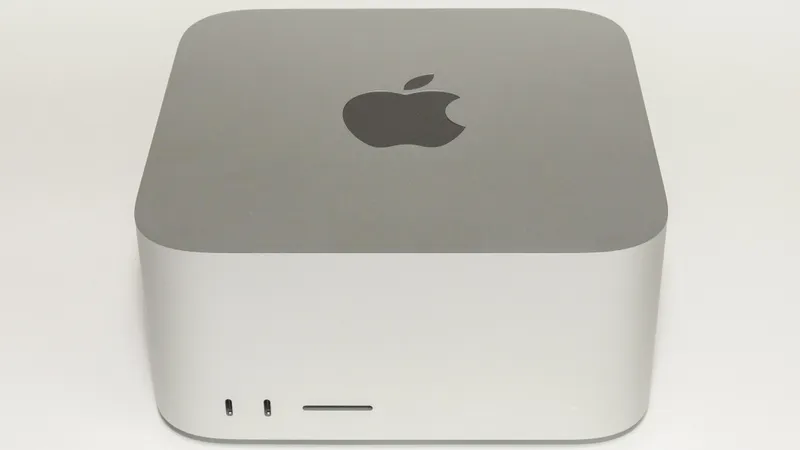
How Much RAM to Run a Local LLM? 2026 Sizing Guide
How much RAM a local LLM really needs: measured Q4_K_M file sizes, what 8GB to 512GB runs in 2026, and why long context can cost more than the weights.
Memory capacity sets what a machine can load, bandwidth sets how fast it answers, and utilization decides whether owning hardware beats renting it. With DRAM in a shortage cycle the arithmetic keeps moving: a build that paid for itself last quarter may not this one, and the break-even turns on how many hours the box actually runs.
This guide frames the system before you move into the newest signals.
How much RAM a local LLM really needs: measured Q4_K_M file sizes, what 8GB to 512GB runs in 2026, and why long context can cost more than the weights.
The featured guide stays above; the stream below moves as new analysis is published.
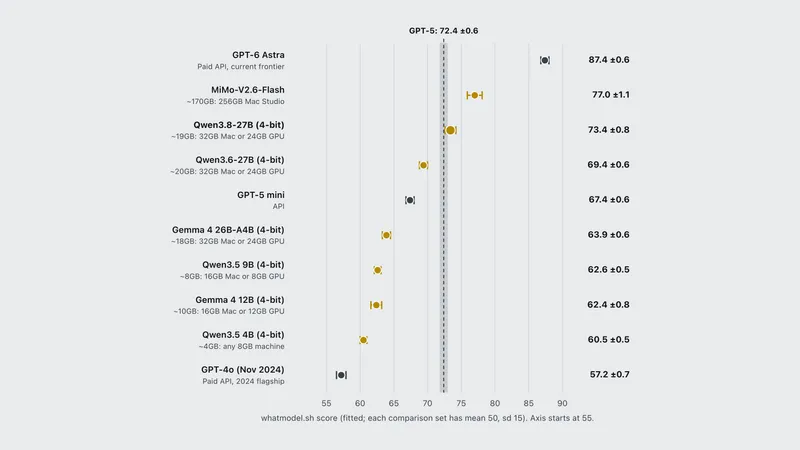
The top local LLMs for every RAM size, ranked. A 32GB Mac now runs a free model that ties a paid flagship, and even 8GB beats older paid models.
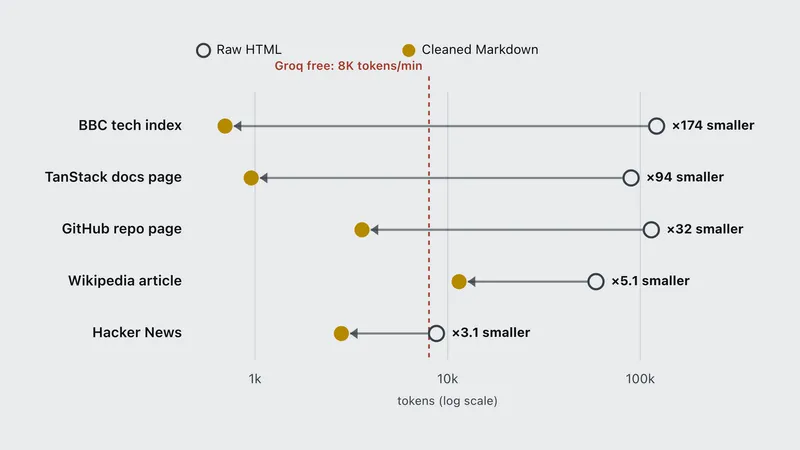
Test LLM apps for $0 in October 2026: the free LLM APIs that still work, their real limits and data catches, checked against each provider's own docs.
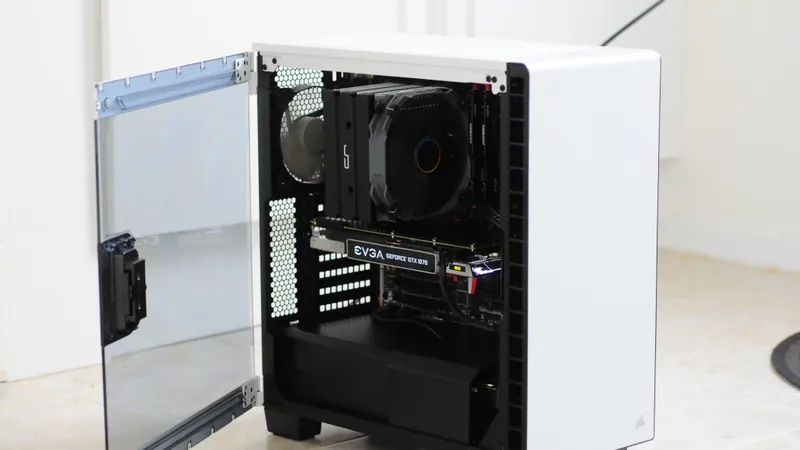
Low, mid and high-end dev PCs priced against GitHub Codespaces in 2026, with real billed hours, seven developer setups, and when renting still wins.
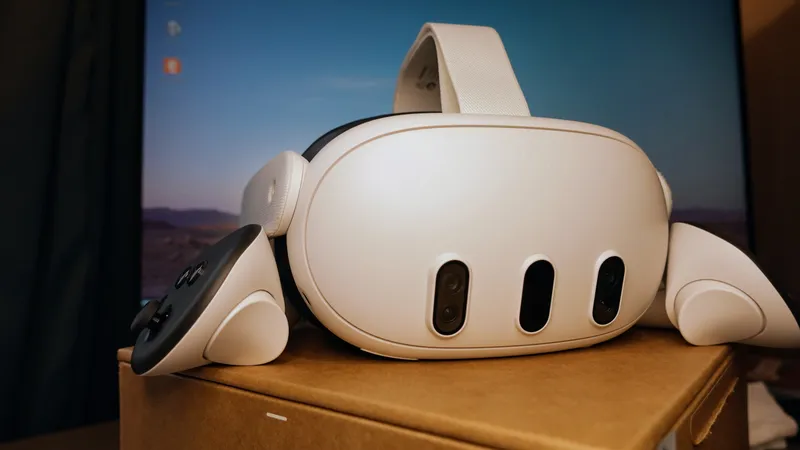
Meta VR Glasses cost $1,299.99, about 2.2x a Quest 3. The chip, RAM and per-dollar math, and what the premium buys in weight and pixels.
Laptop RAM costs soared in 2026. Here is the full GitHub Codespaces cost math by hours per month, the 30-hour breakeven, and when buying still wins.
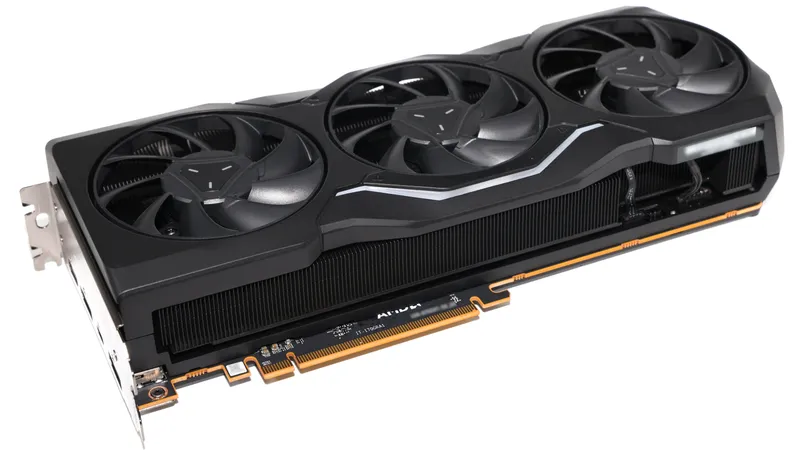
AMD may raise GPU, chipset, and possibly CPU prices 10% in Q4 on TSMC wafer costs. What is rumor vs confirmed, and what to buy before it lands.
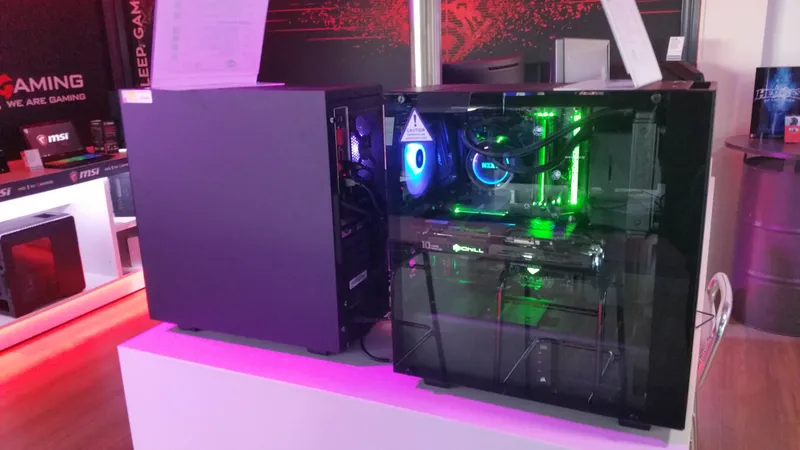
16GB matches 32GB within a few FPS in most 2026 games, but a 32GB DDR5-6000 kit now starts above $400. Where 16GB holds, where it breaks, and what to buy.
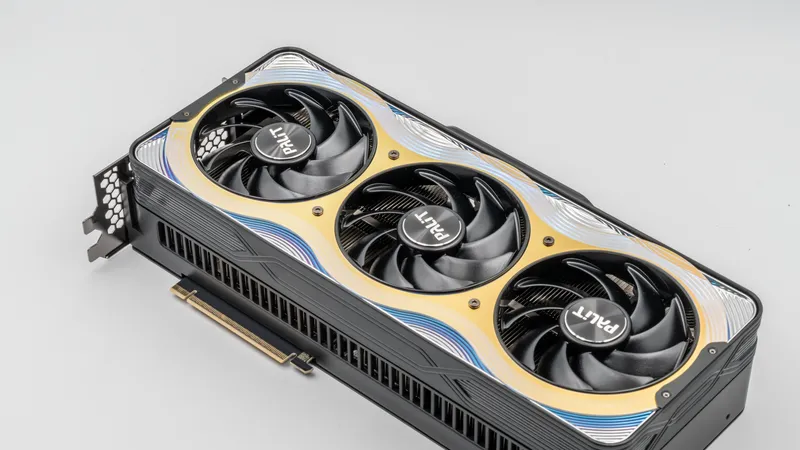
RTX 5090 sold out at $5,000 in Sept 2026 with listings to $6,000+. Why $1,999 MSRP held while GDDR7 kit hikes priced the street, plus buy-or-wait call.
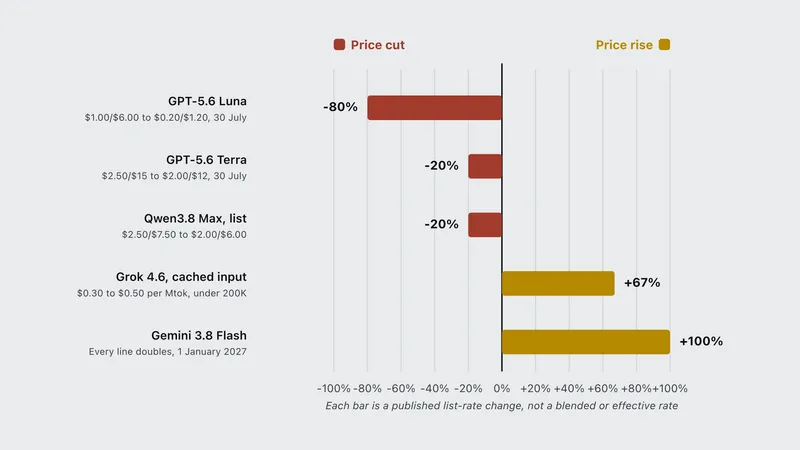
Model prices fell up to 80 percent in 2026. These 10 went the other way, from a 571 percent DDR5 jump to a cache rate up 67 percent.
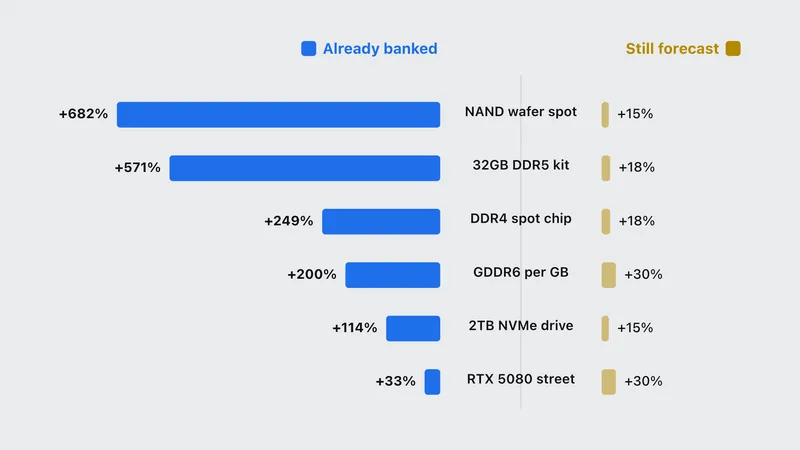
DDR5 kits are up 673 percent and NVMe drives 114 percent, yet one entry GPU still sells under list. The 7 parts to buy now, and the 3 to wait on.
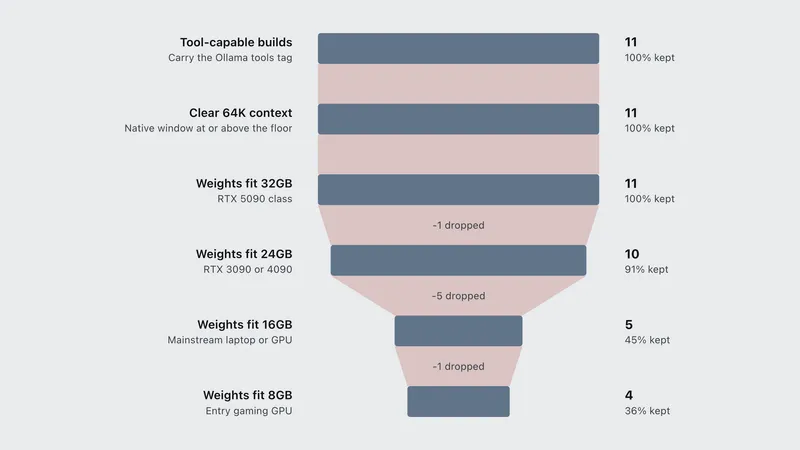
Hermes Agent rejects any model under 64,000 tokens of context. Which open-weight models clear that bar on 8GB, 16GB, 24GB and 32GB of VRAM.
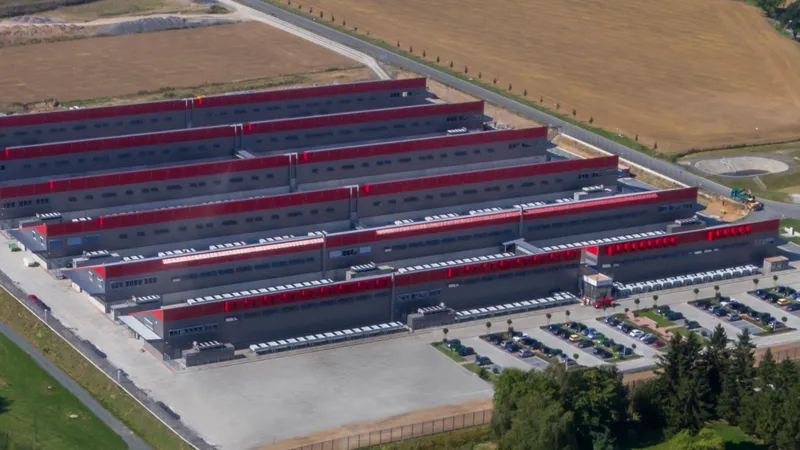
Hetzner raised prices three times in 2026. Here are the derived percentages per plan from its own price table, and why Arm plans barely moved.
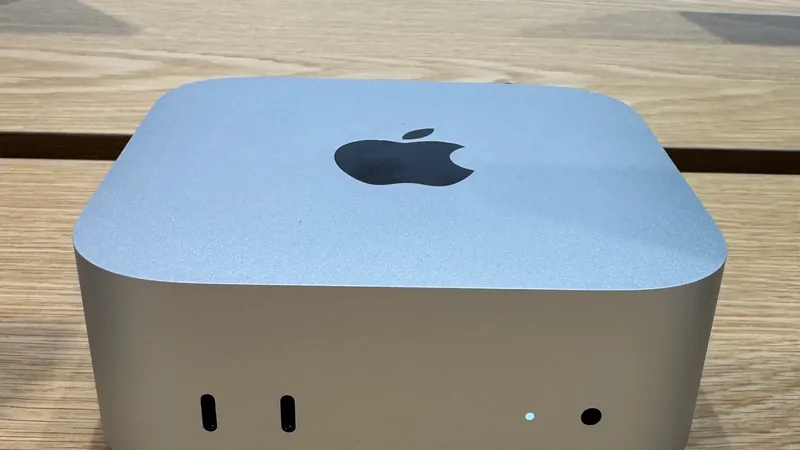
Apple refreshed the Mac mini and Mac Studio on August 25 2026. Every memory ceiling stayed flat, and bandwidth became a paid upgrade.
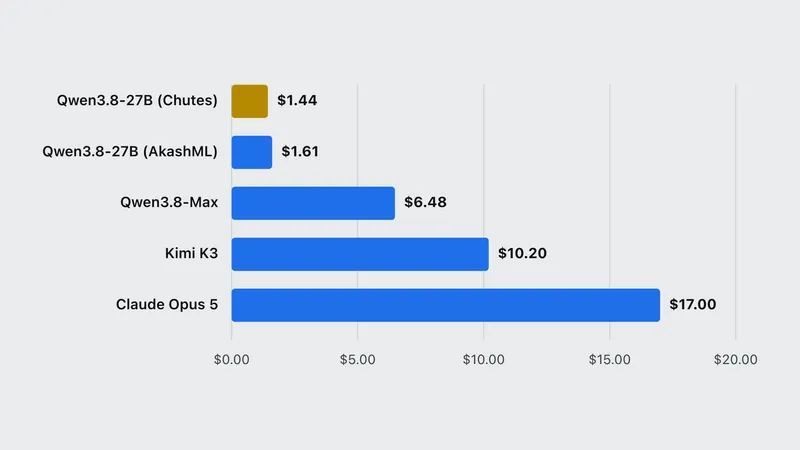
Apache 2.0 weights for Qwen3.8-27B landed on August 14, 2026. Strong vendor scores, hosted tokens at 80 percent off the flagship, and a catch in the local math.
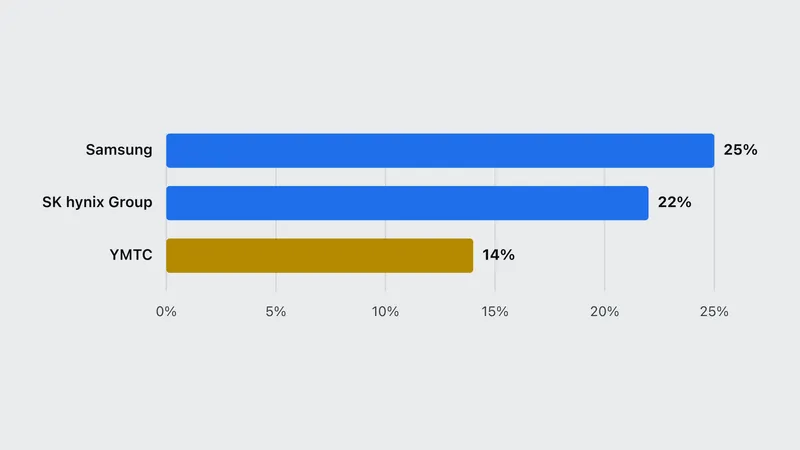
YMTC now ships more NAND bits than Micron or Kioxia but ranks only fifth by revenue. What that gap means for flash prices in 2026 and 2027.
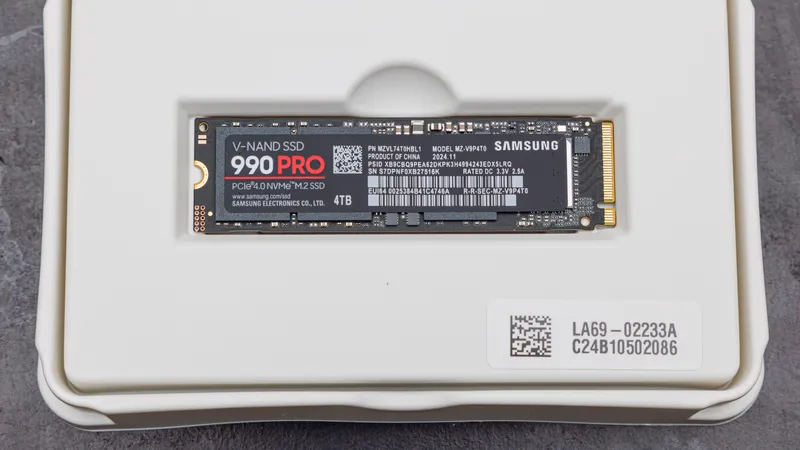
NAND contract prices ran 70 to 75 percent in one quarter, and the cheapest 2TB NVMe drive hit $209.99 by August 2026. What drove it, and what happens next.
Samsung, SK hynix and Micron reversed course and committed about 2 trillion dollars to new memory fabs. The first wafers arrive in December 2028.
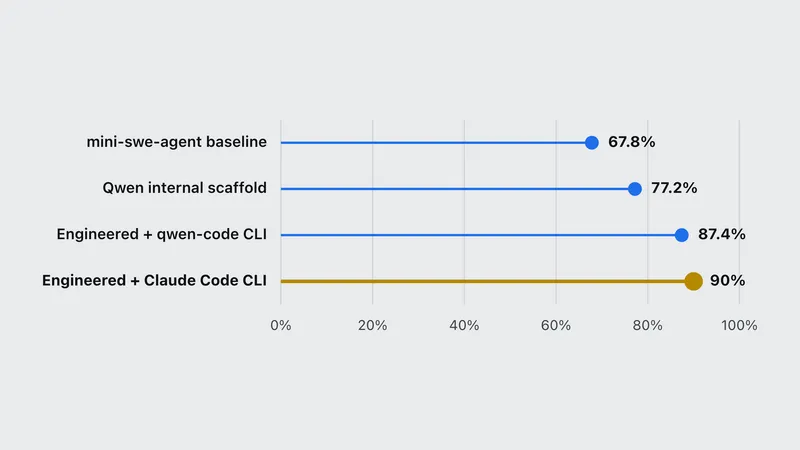
Identical open weights score 67.8 or 90.0 on SWE-bench depending on the harness. What the research says about where local coding agents break.
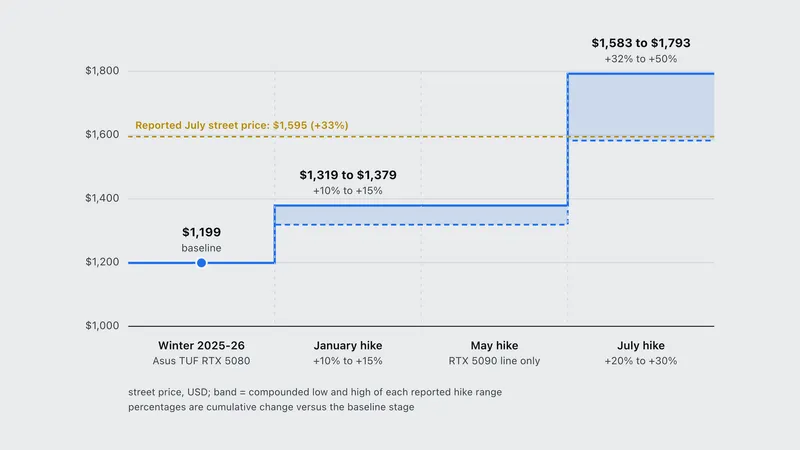
Nvidia RTX cards are up 20 to 30 percent in a third 2026 hike. Here is the memory-cost chain behind it, and whether to buy a GPU now or wait.
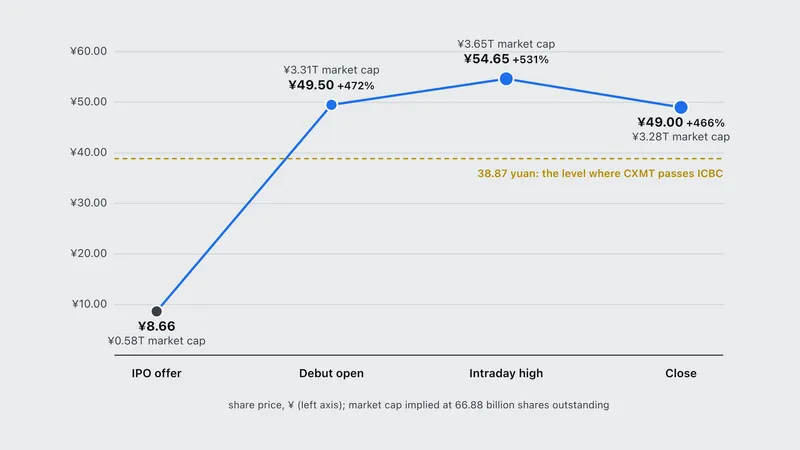
CXMT closed 466 percent above its offer price on debut, worth 3.28 trillion yuan. What that valuation implies about the DRAM shortage.
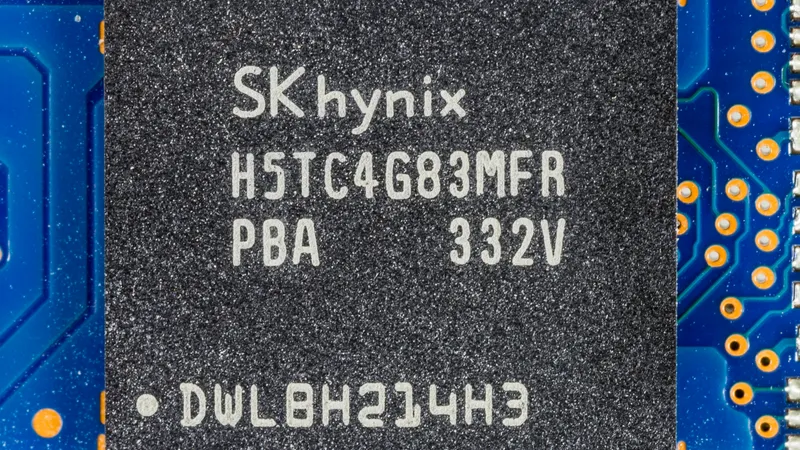
SK hynix says 2027 will be the worst supply year ever for memory and ADATA forecasts a decade. Here is how seriously to take a ten-year shortage call.
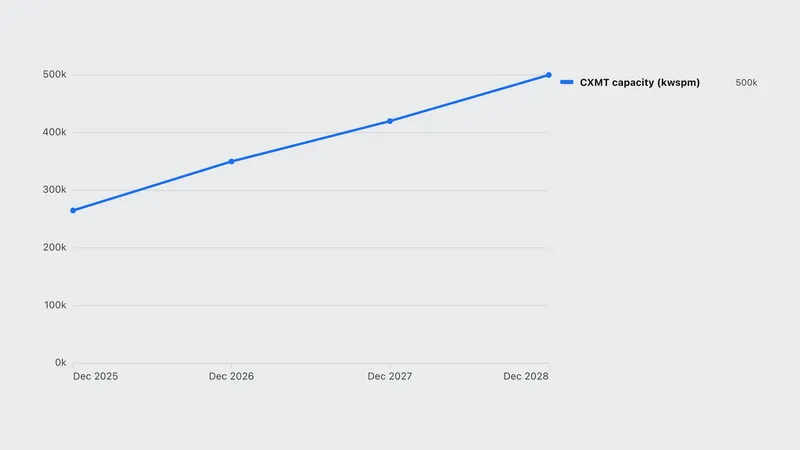
CXMT is the largest DRAM maker in China, now the number four global supplier, closing in on Micron on capacity while its HBM chips stay years behind.
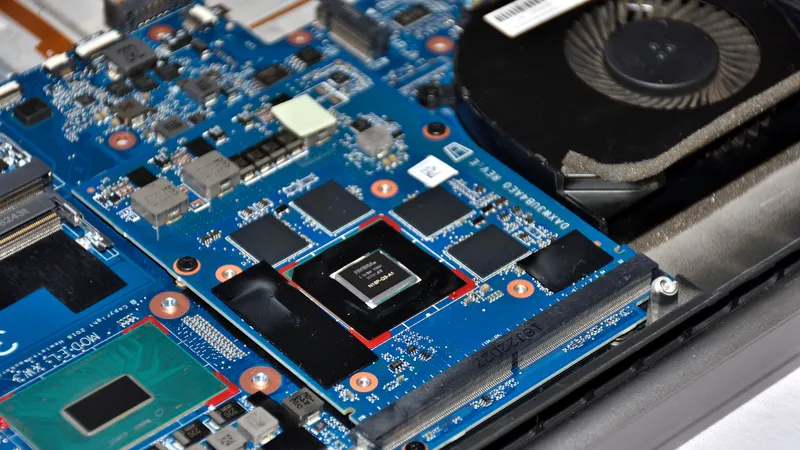
The best open-weight AI models in 2026, ranked by use case: coding, long context, multimodal, on-device, and the real cost per finished task.
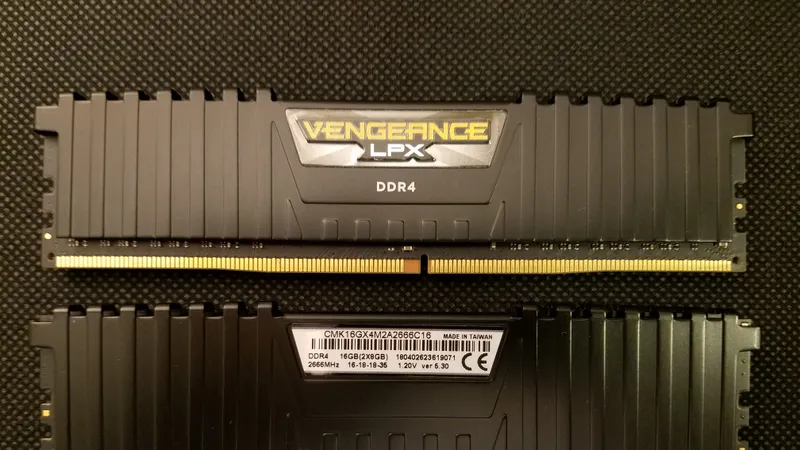
A 32GB DDR5 kit went from $59 in April 2025 to $456 in October 2026. Here are 7 ways to pay less for memory, and the one saving that still works.
OpenAI is spending nearly 6.5 billion dollars to build a screenless AI smart speaker. The business logic, the running costs, and the Apple lawsuit risk.
Consumer DDR5 has gone flat while contract and HBM prices keep climbing. Here are the signals that show whether the 2026 memory cycle is peaking.
The 2026 memory shortage explained: why AI and HBM demand starved consumer DRAM, and how the mainstream DDR4 spot chip went from $12 to $46.32.
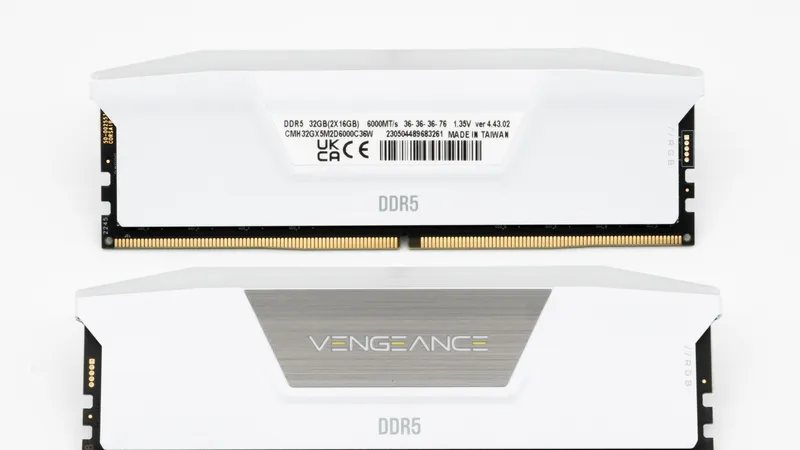
A 32GB DDR5 kit went from $59 in April 2025 to $456 in October 2026. Forecasters now split between late 2027 and 2028. Here is when relief actually arrives.
Apple raised Mac and iPad prices on June 25 2026 as the memory shortage bit. Here is what the unified-memory tax means for running local AI.
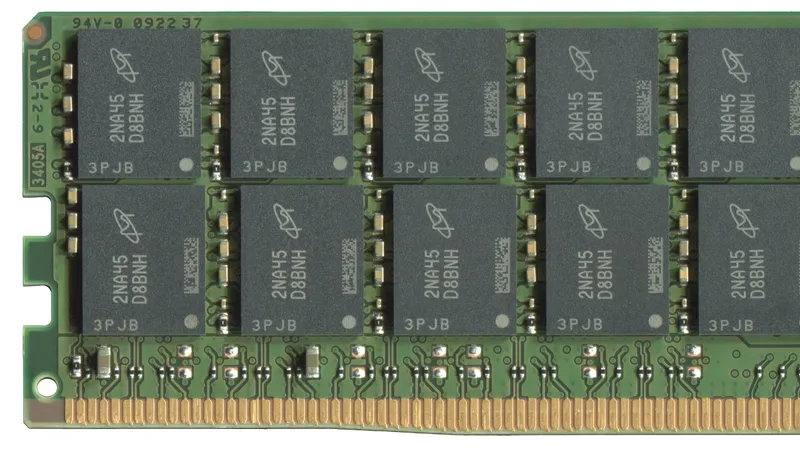
Micron revenue went from $11.32 billion to $54.23 billion in a year at gross margins near 87%. RAM is expensive in 2026 because scarcity pays more than volume.
Seven Chinese firms ship AI accelerators and four listed publicly in six months. Which come near NVIDIA H100 class, which are hype, and what changed in 2026.
What a self-hosted LLM token really costs in 2026: cost per token across owned hardware, why memory bandwidth sets speed, and where buying beats the API.
The economics of local inference, RAM, memory bandwidth, self-hosting and the hardware behind AI.
This topic collects 33 analyses, and they are written to be read together rather than one at a time: the featured guide sets out the shape of the problem, and the pieces below work through the individual numbers, tradeoffs and edge cases behind it. Every figure is attributed to a primary source at the point it is used and carries the date it was verified, because prices and benchmark results in this area go stale in weeks rather than years. Where a number is modeled rather than measured, the assumptions are stated so the arithmetic can be checked.
The topics on this site overlap by design. This one runs into Models & benchmarks and Compute infrastructure, and a question that starts in one usually ends in another: a pricing decision turns into a hardware decision, a benchmark result turns into a cost question. Follow the links inside the posts rather than treating these archives as separate shelves.
Check what your hardware can runWatch the RAM price indexCompare GPU street prices