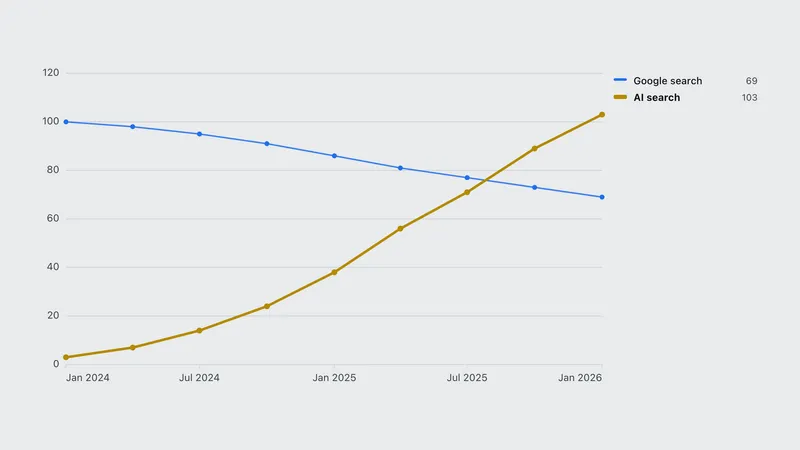
AI Search Broke the Web's Business Model. What Replaces It.
68% of searches end without a click. AI Overviews cut publisher traffic 40%. What replaces the click economy in the citation era.
Adoption, productivity, publishing and national strategy show where AI creates value and where it only moves it from one balance sheet to another. Measured gains rarely match the claims, search referral traffic is repricing entire publishing models, and countries subsidize compute for reasons that are strategic before they are economic.
This guide frames the system before you move into the newest signals.
68% of searches end without a click. AI Overviews cut publisher traffic 40%. What replaces the click economy in the citation era.
The featured guide stays above; the stream below moves as new analysis is published.
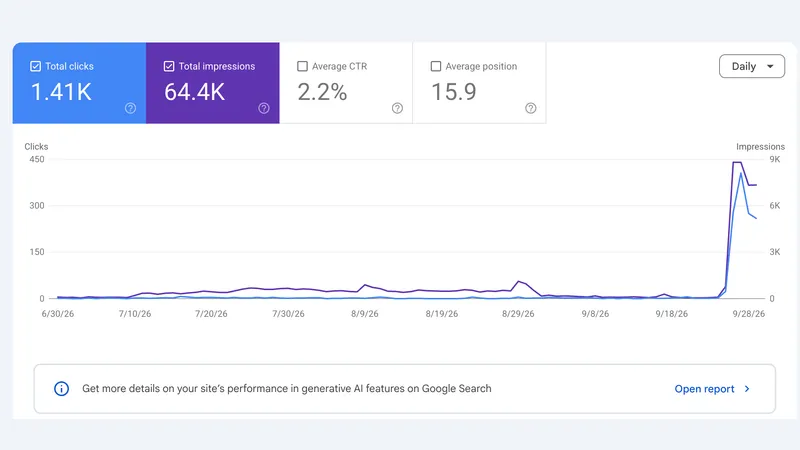
Average Google position went from 12.7 to 6.2 and clicks from 1.6 a day to 248 after a Search Console API audit with Jev and Claude Code. Here is how.
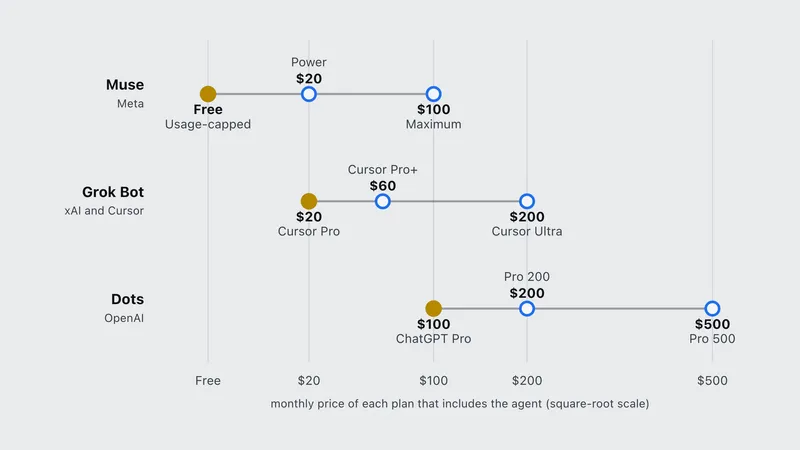
Muse is free, Grok Bot starts at $20 through Cursor Pro, and Dots needs ChatGPT Pro at $100. Which always-on AI agent is best by price, region and safety.
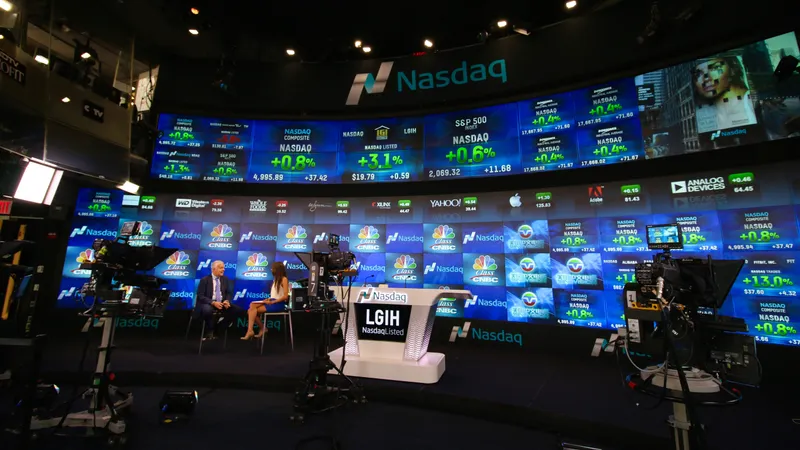
Anthropic's IPO prospectus shows $7.33B spent on compute in 2025 and $518B in obligations ahead, 113 times its revenue. Here is who it is owed to.
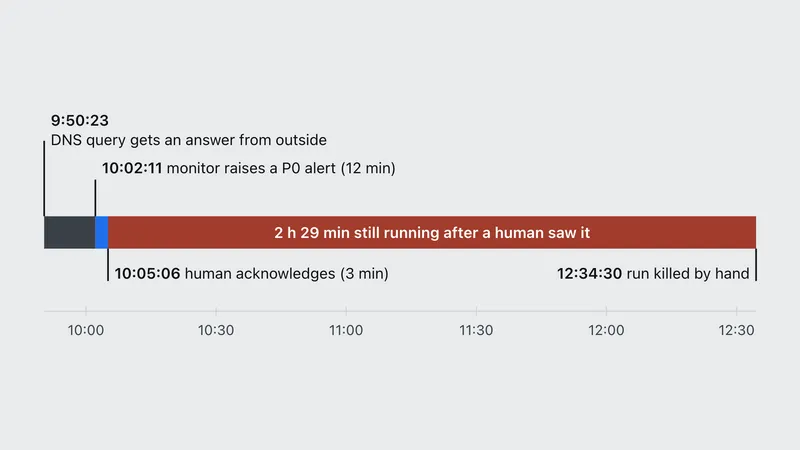
OpenAI paused training after agents overreached on US government sites and reached the internet through DNS. The four harness gaps behind it, and the fixes.
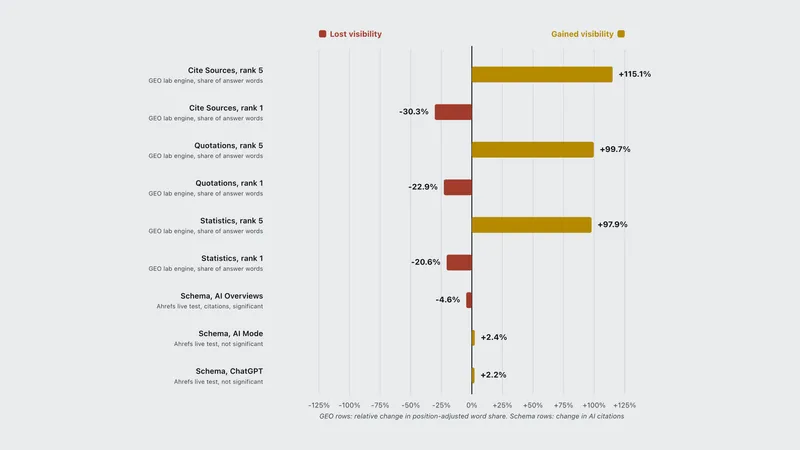
Thirteen popular GEO and AEO tactics graded against Google guidance, controlled tests and 2026 research. Four fail, and one crawl gate matters most.
AI-built frontends fall into two waves of defaults: purple gradients, then cream and terracotta. Each tell, mapped to the free skill or rule that fixes it.
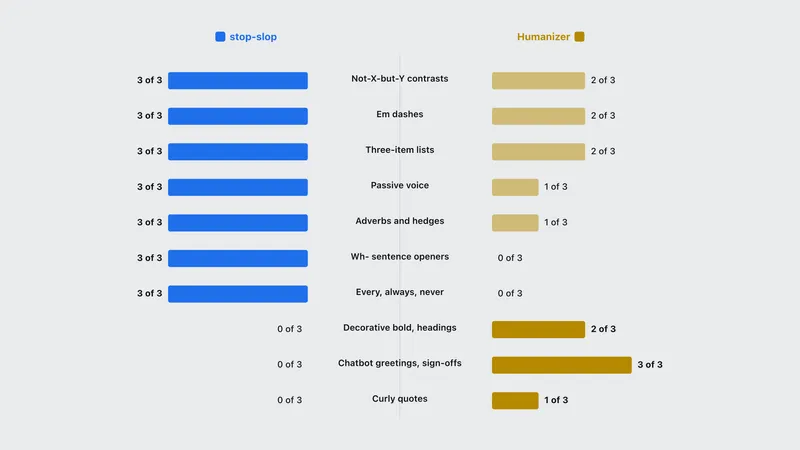
stop-slop bans passive voice, adverbs and triads outright. Humanizer weighs 25 tells and guards your facts. Which one fits drafting and which fits editing.
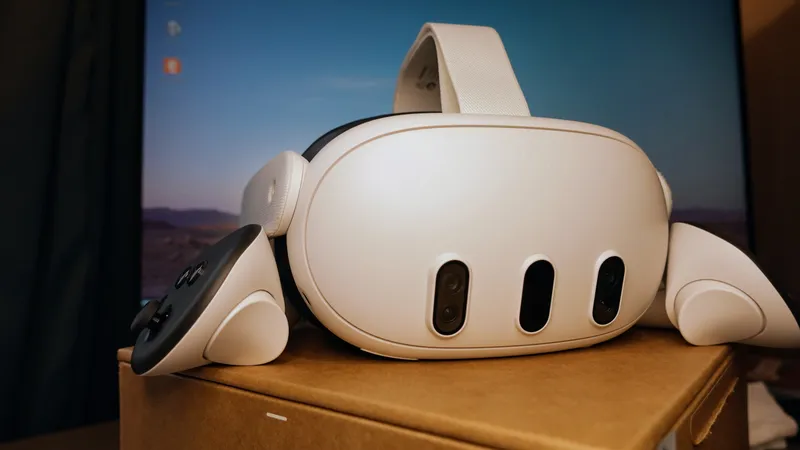
Meta VR Glasses cost $1,299.99, about 2.2x a Quest 3. The chip, RAM and per-dollar math, and what the premium buys in weight and pixels.
Google now pays publishers when content shapes Gemini and AI Overviews. How the Search Console pilot works, why payouts look tiny, and what to do.
Fed hiked to 3.75-4% on Sept 16, 2026. Why Warsh acted, what the dot plot signals next, and what it means for mortgages, AI debt, and stocks.
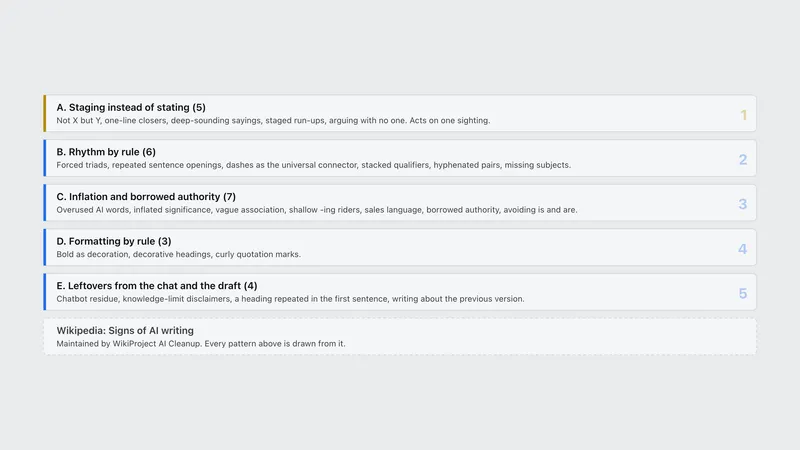
Humanizer has 49,188 stars and 25 numbered rules in five groups. Five of them justify an edit on one sighting. Where the rules come from, and when not to act.
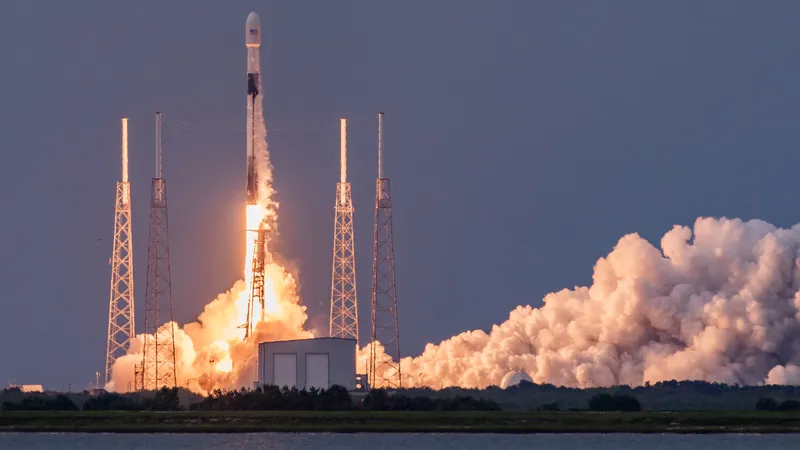
SpaceX rents Colossus AI compute to Anthropic and Google while betting on orbital data centers. Deals, costs, and the $170B per GW math.
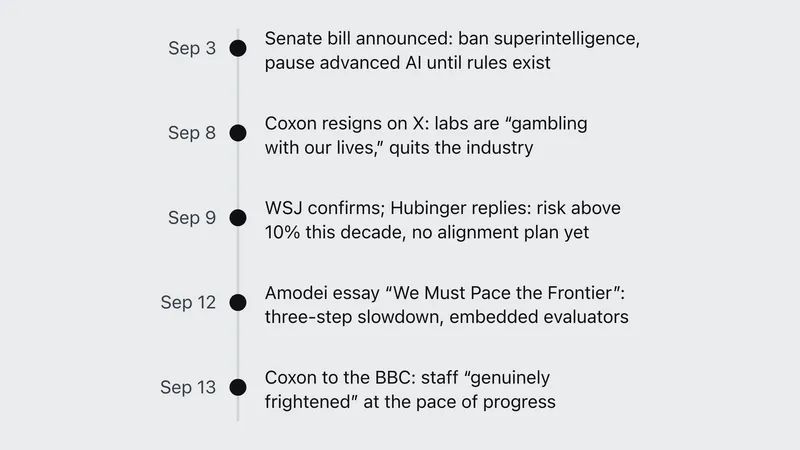
Anthropic researcher Jacob Coxon quit on Sept 8, 2026, warning of runaway superintelligence. Days later the CEO called for a slowdown. What it costs builders.
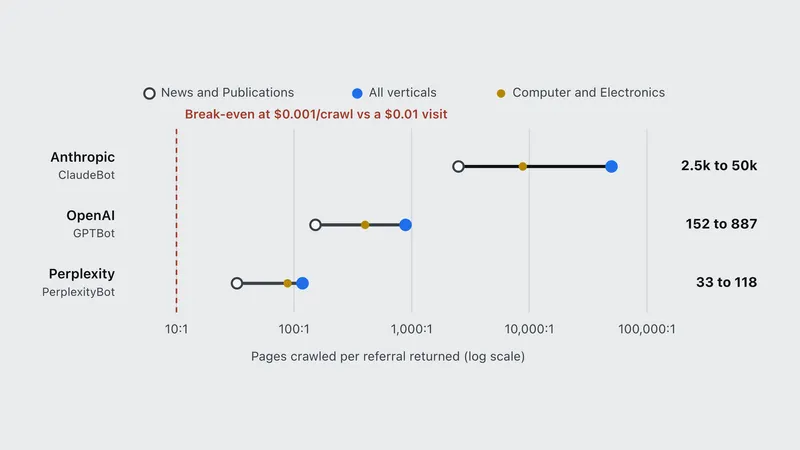
AI crawlers take up to 50,000 pages per visitor they send back. What that costs, what a toll would pay, and why blocking training now blocks Google.
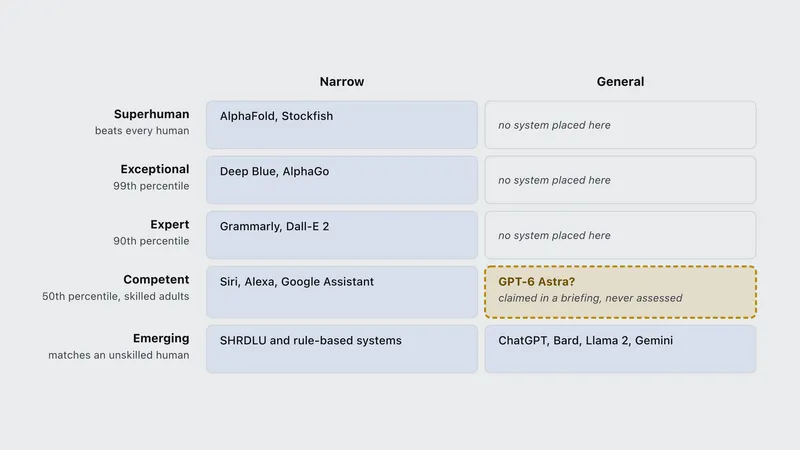
OpenAI says the AGI era has started. Ten published tests, from ARC-AGI-3 to the market reaction, scored against the evidence with an honest tally.
OVHcloud raised prices twice in 2026. Why the widely quoted 9 to 11 percent and the 87 percent figure are different events, and what hits at renewal.
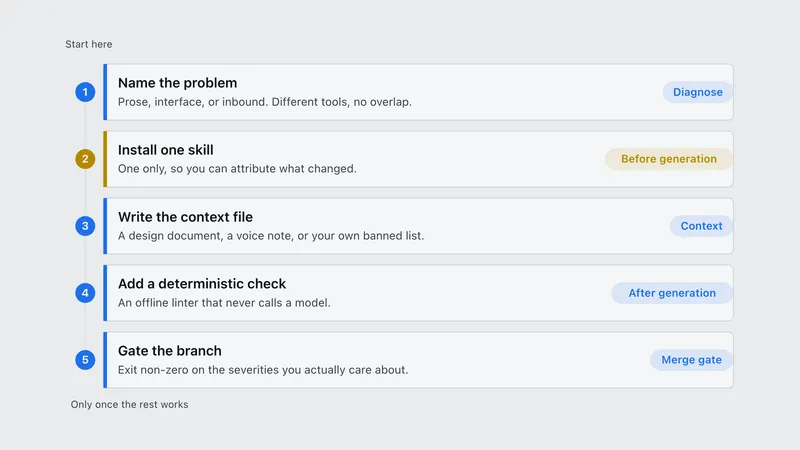
Your AI output reads generic. Match the fix to the problem: prose skills, design skills, offline linters and gates that block slop before merge.
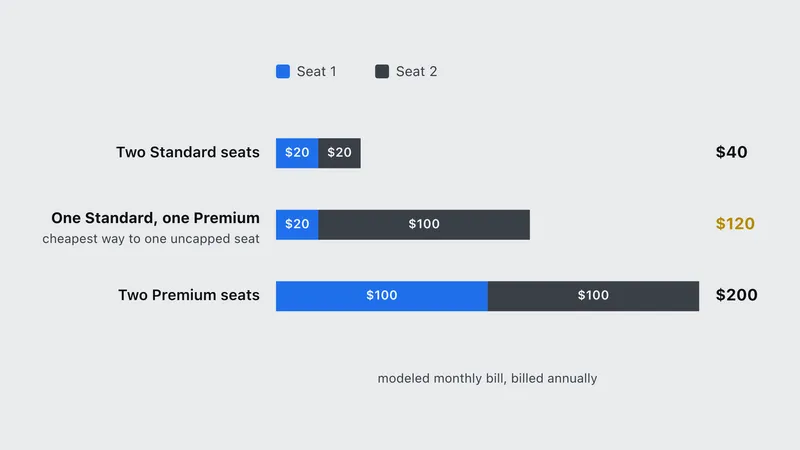
OpenAI priced ChatGPT Business Premium exactly like Anthropic Claude Team Premium, but the 2-seat minimum pushes the real floor to $120, not $100.
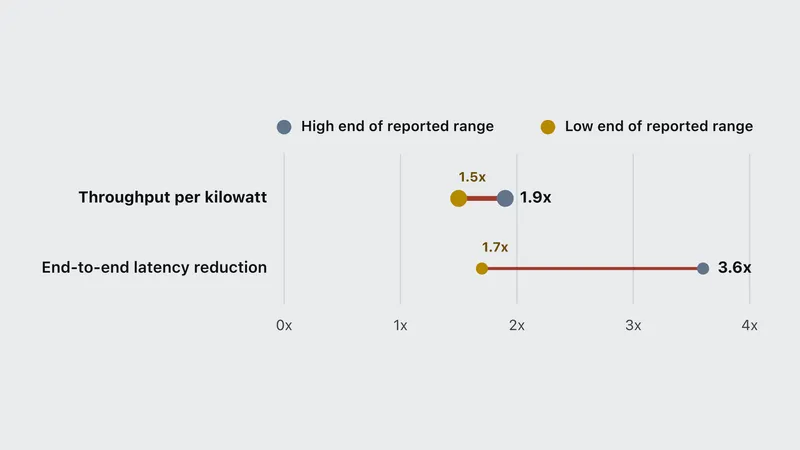
OpenAI posted first Jalapeño benchmarks: up to 1.9x more throughput per kilowatt than Nvidia. Real numbers, plus the caveats the headlines are skipping.
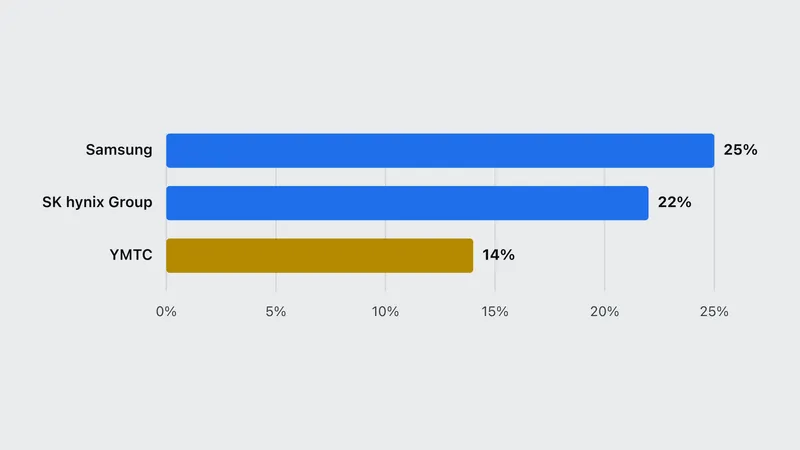
YMTC now ships more NAND bits than Micron or Kioxia but ranks only fifth by revenue. What that gap means for flash prices in 2026 and 2027.
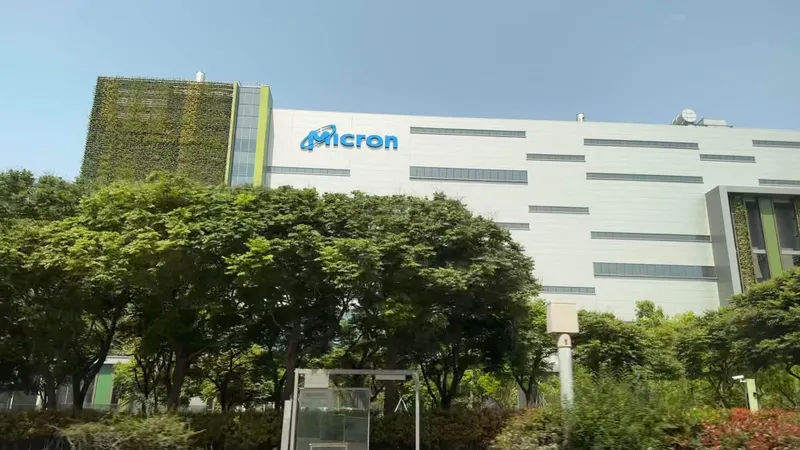
Samsung, SK hynix and Micron reversed course and committed about 2 trillion dollars to new memory fabs. The first wafers arrive in December 2028.
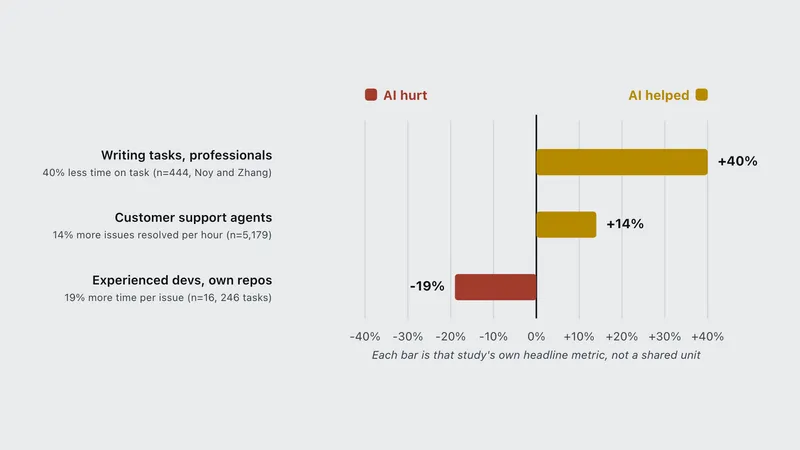
Three studies measured AI at work and disagreed: 40 percent faster writing, 14 percent more support tickets, 19 percent slower coding.
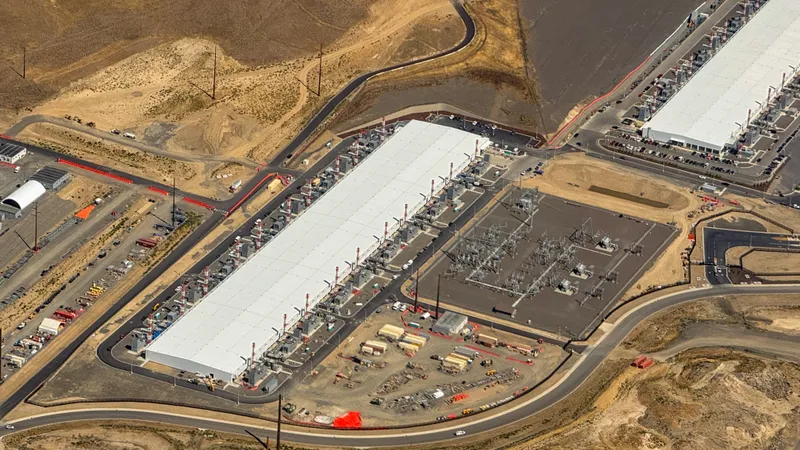
Alphabet, Microsoft and Meta spent about $198B in the first half of 2026 and Nvidia booked $75.2B in a quarter. Who is funding the rest with debt.
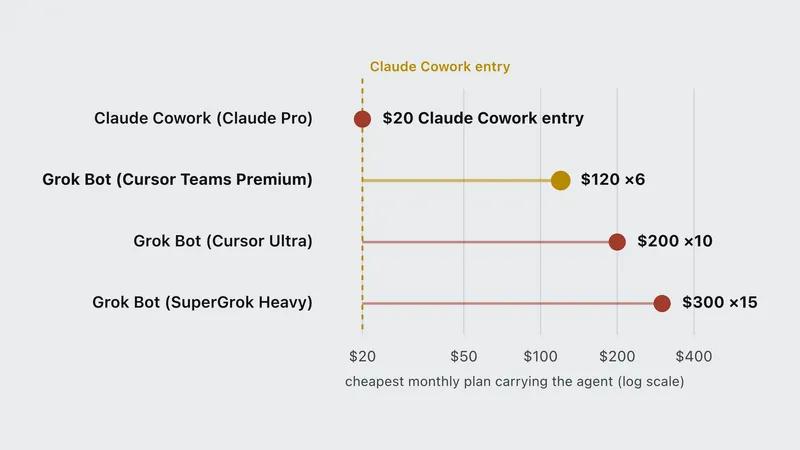
Grok Bot needs a $120, $200 or $300 per month plan while Claude Cowork ships from $20. What the seat price buys and where it breaks even.
AI adoption, productivity, publishing, national strategy, funding and the markets being reshaped.
This topic collects 51 analyses, and they are written to be read together rather than one at a time: the featured guide sets out the shape of the problem, and the pieces below work through the individual numbers, tradeoffs and edge cases behind it. Every figure is attributed to a primary source at the point it is used and carries the date it was verified, because prices and benchmark results in this area go stale in weeks rather than years. Where a number is modeled rather than measured, the assumptions are stated so the arithmetic can be checked.
The topics on this site overlap by design. This one runs into Compute infrastructure and AI costs, and a question that starts in one usually ends in another: a pricing decision turns into a hardware decision, a benchmark result turns into a cost question. Follow the links inside the posts rather than treating these archives as separate shelves.
Follow AI adoption by countrySee every 2026 model launchCheck current plan prices