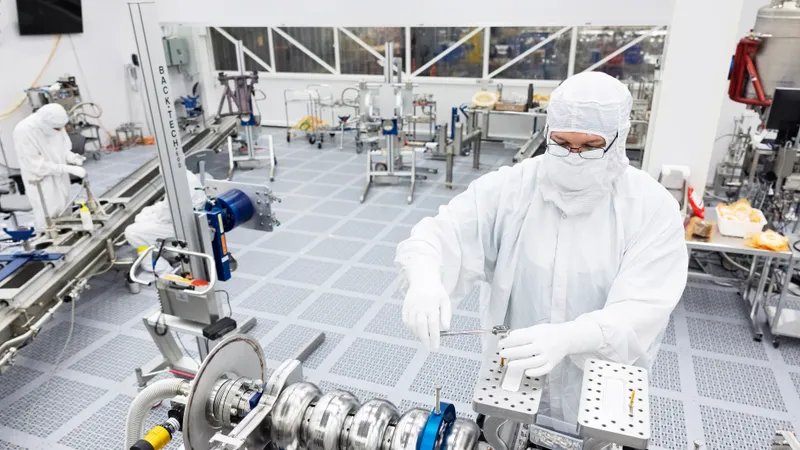
Memory Shortage 2026: Why AI Starved Consumer DRAM
The 2026 memory shortage explained: why AI and HBM demand starved consumer DRAM, and how the mainstream DDR4 spot chip went from $12 to $46.32.
Token prices are the sticker. Context windows, retries, cache misses, subscription floors and the work an agent abandons halfway decide the bill. A model that looks half the price per million tokens routinely costs more per finished task, and the gap only appears once the same job is priced end to end across providers.
Analysis of AI pricing, API bills, subscriptions and the real cost of completing useful work.
The 2026 memory shortage explained: why AI and HBM demand starved consumer DRAM, and how the mainstream DDR4 spot chip went from $12 to $46.32.
Training a frontier model costs $1B+. Breakdown of compute, energy, data, and R&D costs across the three leading labs, and what they mean for API prices.
Every new AI model released in July 2026 with dates, per-token prices and primary sources, plus how every model listed as upcoming that month has resolved.
Cursor got pricier and its owner changed. Compare the best 2026 alternatives ranked by real cost per task, not sticker price.
GPT-5.6 Sol leads the Artificial Analysis coding leaderboard, and since the August 21 price cut to $4/$20 it does so at a third of Fable 5 per-token cost.
Meta launched Muse Spark 1.1 at 1.25 and 4.25 dollars per million tokens to chase Anthropic and OpenAI. Pricing, benchmarks, and the honest verdict.
Grok 4.5 launched July 8 at $2 and $6 per million tokens with a 4.2x token-efficiency claim. Does it really cost less per task than Claude Opus 4.8?
Only one of these three coding agents shows up on a benchmark leaderboard. The Terminal-Bench 2.1 numbers, the missing scores, and how to choose.
Hermes Agent still defaults to GLM-5.2. Verified September 2026 prices and coding scores show a model at a ninth of the cost now scoring higher.
What Hermes Agent is in 2026: an MIT-licensed agent with a learning loop, 300-plus models and a v0.21.0 provider wave. Why the harness beats the model.
Published ranges for AI agent costs disagree by 10x. Here is the actual formula, modeled against real 2026 API rates, so you can price your own workload.
Chinese AI models list output tokens up to 57x below US flagships. The verified economics of efficient training, cheap power and open weights as strategy.
Claude Fable 5 returns after a US export-control suspension. Here is the $10/$50 pricing, the SWE-Bench Pro and FrontierCode scores, and what it means.
Claude Sonnet 5 costs $2/$10 per million tokens after Anthropic cancelled the rise to $3/$15. What changed versus Sonnet 4.6, and the cost per task.
Kiro gives a free tier of 50 credits and Pro at $20 a month for 1,000. What a credit actually buys, the Auto versus pinned-model savings, and how overage works.
Windsurf became Devin Desktop on June 2, 2026, pricing unchanged. Cascade retires today. The real cost shift is what got bundled into the same $20 plan.
Your Claude Code session cost $47 in tokens. The real cost was $470. This is the math your dashboard does not show.
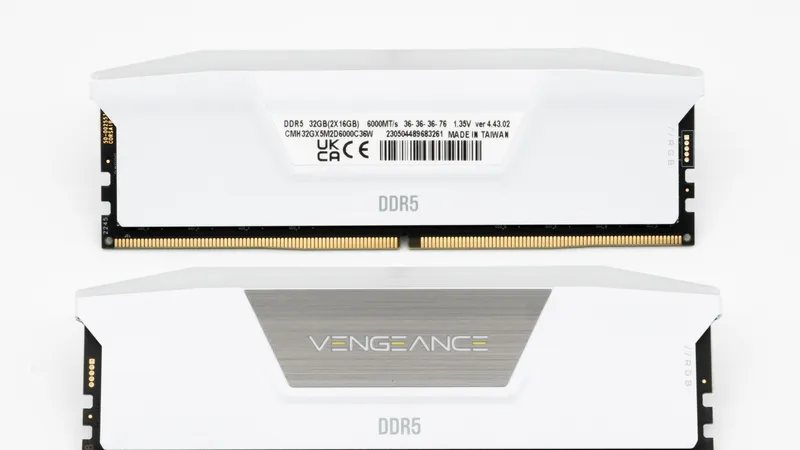
A 32GB DDR5 kit went from $59 in April 2025 to $456 in October 2026. Forecasters now split between late 2027 and 2028. Here is when relief actually arrives.
How to read the Claude Code /cost command: session spend, token breakdown, why Pro and Max differ from API billing, and when to use /usage instead.
What the $20 Cursor Pro plan really buys in 2026: roughly 225 to 650 requests depending on model, how the usage pool works, and when overages start.
Vibe coding tools cost $20-$100/month. The real cost including tokens, infrastructure, and technical debt runs $87-$340/month. Here is the math.
OpenAI cut GPT-5.6 API prices on July 30: Luna by 80 percent, Terra by 20, Sol not at all. On August 21 the flagship followed with a promotional cut to $4/$20.
OpenAI launched GPT-5.6 on June 26 as three tiers: Sol, Terra and Luna. Here are the confirmed prices, the benchmarks, and the government access catch.
Apple raised Mac and iPad prices on June 25 2026 as the memory shortage bit. Here is what the unified-memory tax means for running local AI.
Analysis of AI pricing, API bills, subscriptions and the real cost of completing useful work.
This topic collects 135 analyses, and they are written to be read together rather than one at a time: the featured guide sets out the shape of the problem, and the pieces below work through the individual numbers, tradeoffs and edge cases behind it. Every figure is attributed to a primary source at the point it is used and carries the date it was verified, because prices and benchmark results in this area go stale in weeks rather than years. Where a number is modeled rather than measured, the assumptions are stated so the arithmetic can be checked.
The topics on this site overlap by design. This one runs into AI markets and Coding agents, and a question that starts in one usually ends in another: a pricing decision turns into a hardware decision, a benchmark result turns into a cost question. Follow the links inside the posts rather than treating these archives as separate shelves.
Model your cost per taskCompare a subscription against the APICheck current plan prices