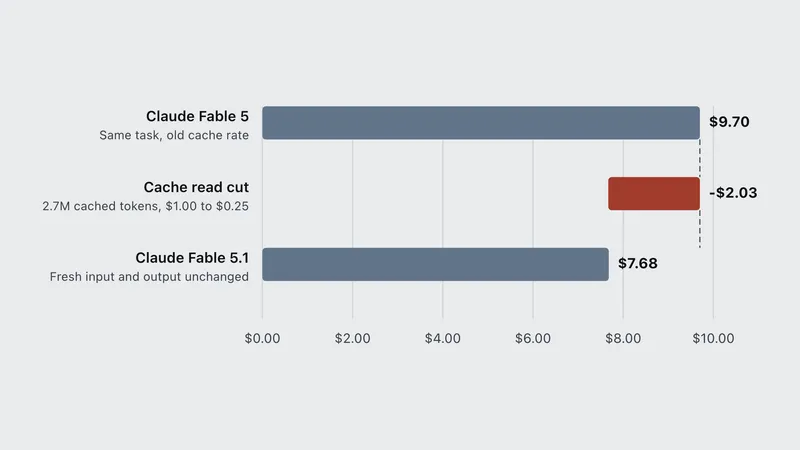
Claude Fable 5.1: Pricing, Benchmarks, Cost
Claude Fable 5.1 holds Fable 5 rates at $10/$50 per million tokens and cuts the cache read to $0.25. Benchmarks, specs, and modeled cost per task.
Token prices are the sticker. Context windows, retries, cache misses, subscription floors and the work an agent abandons halfway decide the bill. A model that looks half the price per million tokens routinely costs more per finished task, and the gap only appears once the same job is priced end to end across providers.
Analysis of AI pricing, API bills, subscriptions and the real cost of completing useful work.
Claude Fable 5.1 holds Fable 5 rates at $10/$50 per million tokens and cuts the cache read to $0.25. Benchmarks, specs, and modeled cost per task.
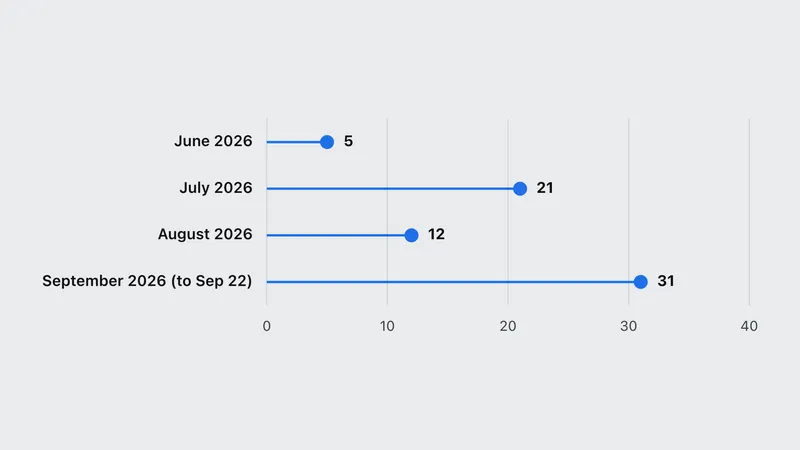
Every AI model released in September 2026, with dates, verified per-token prices and a primary source for each. Updated through the month as releases land.
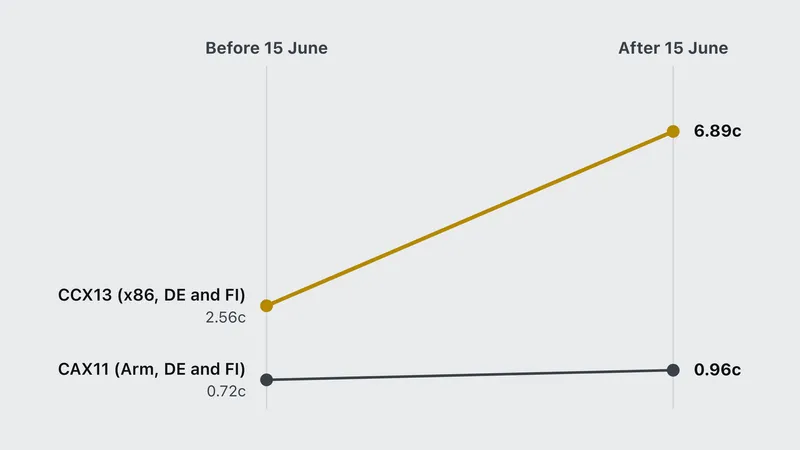
Hetzner and OVHcloud raised VPS prices repeatedly in 2026. Here is the memory-cost mechanism behind it, and what it actually means at renewal.
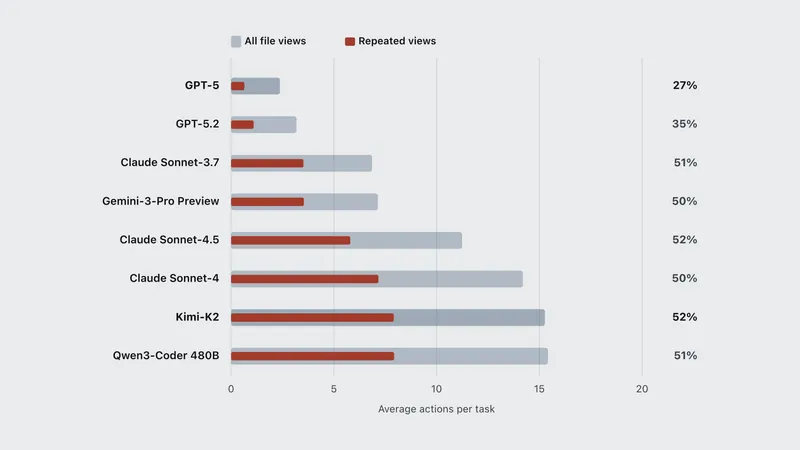
Independent measurement of eight frontier models: GPT-5 averages 2.38 file reads per task, Kimi-K2 averages 15.27, and neither can predict its own bill.
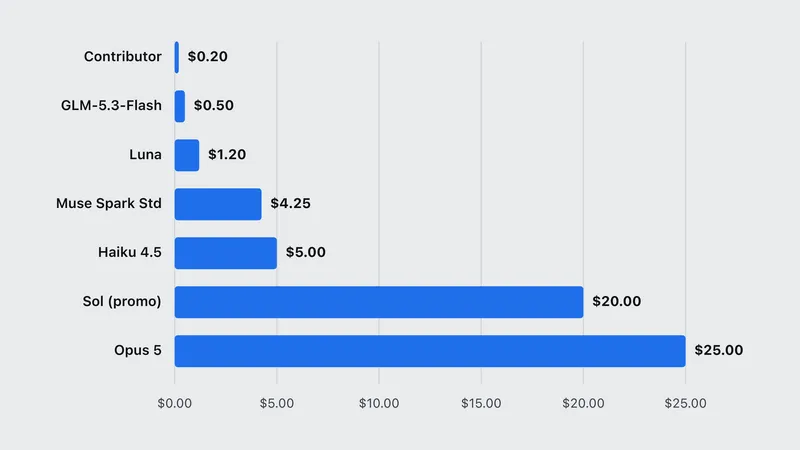
Muse Spark 1.2 at $1.25/$4.25 adds a $0.10/$0.20 contributor tier. Cost per task vs Claude Opus 5 and GPT-5.6 Sol, and what the data-for-discount really buys.
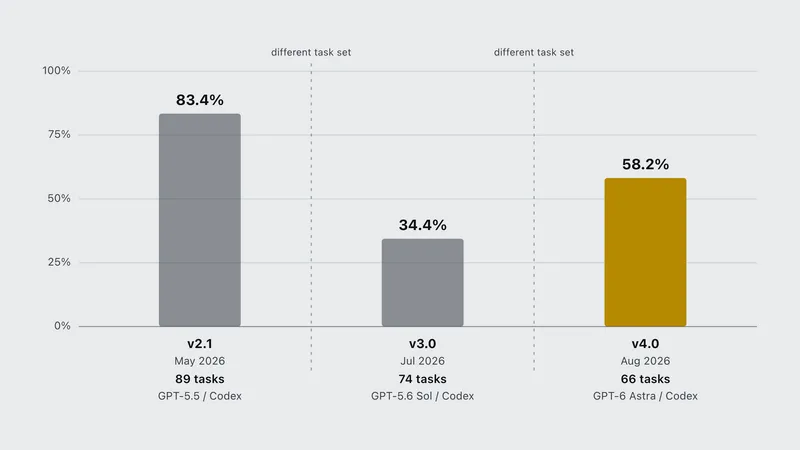
Terminal-Bench 4.0 now runs 27 entries and GPT-6 Astra leads at 58.2 percent. Derived cost per solved task runs from 6 to 234 dollars, a 38x spread.
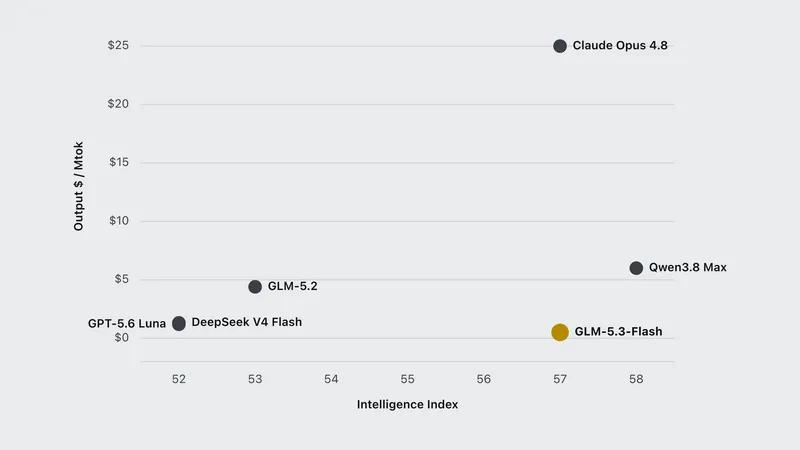
GLM-5.3-Flash is Ox Alpha, officially: a 320B-A18B MoE model, 1M-token context, MIT license, and $0.15/$0.50 per million tokens. Specs, pricing, and benchmarks.
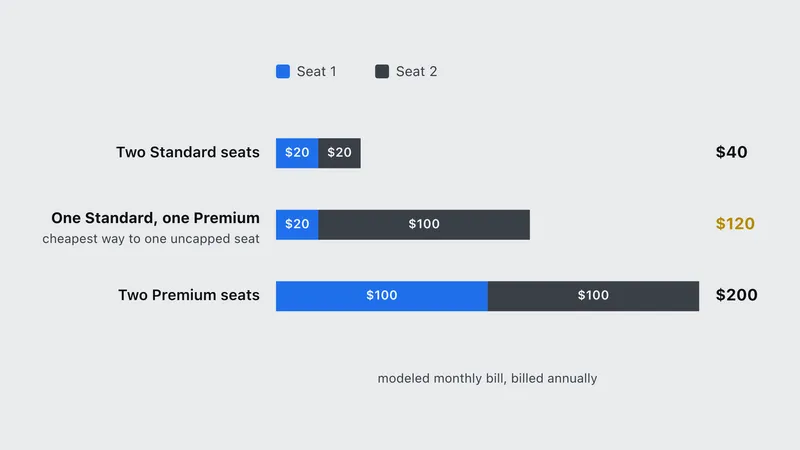
OpenAI priced ChatGPT Business Premium exactly like Anthropic Claude Team Premium, but the 2-seat minimum pushes the real floor to $120, not $100.
Adronite claims Codistry costs 48% less than Claude Code per task. We checked the math in its own benchmark data: arithmetic holds, but three caveats matter.
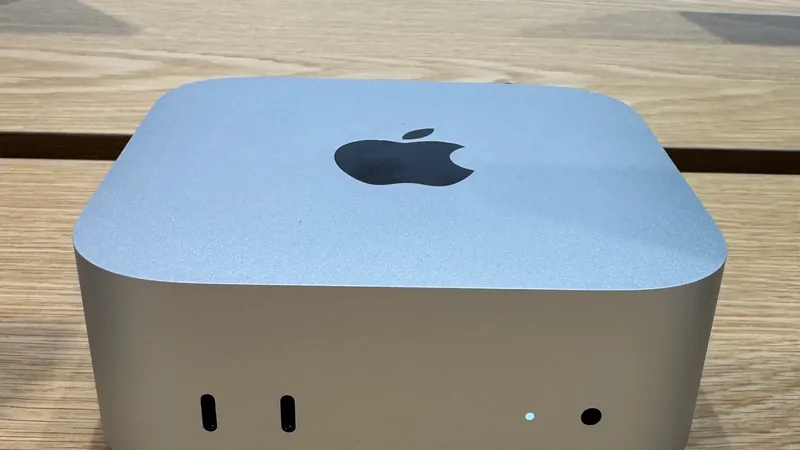
Apple refreshed the Mac mini and Mac Studio on August 25 2026. Every memory ceiling stayed flat, and bandwidth became a paid upgrade.
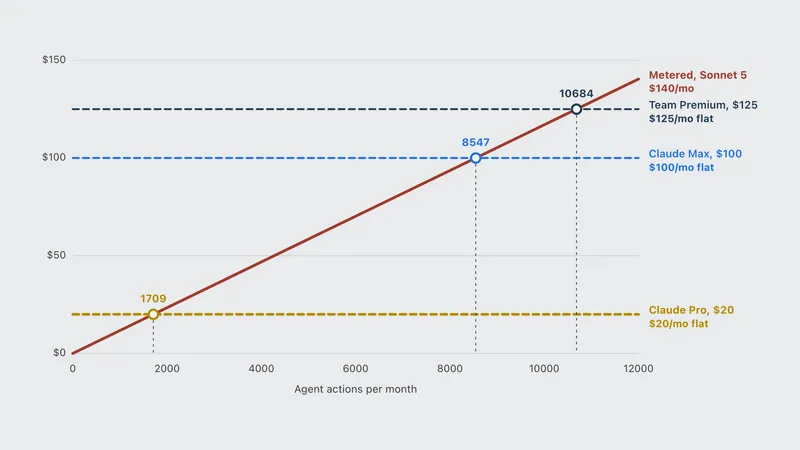
Five meters bill AI agents: per-seat, per-token, per-conversation, per-action and per-minute. The same agent runs 2 to 1,339 dollars a month.
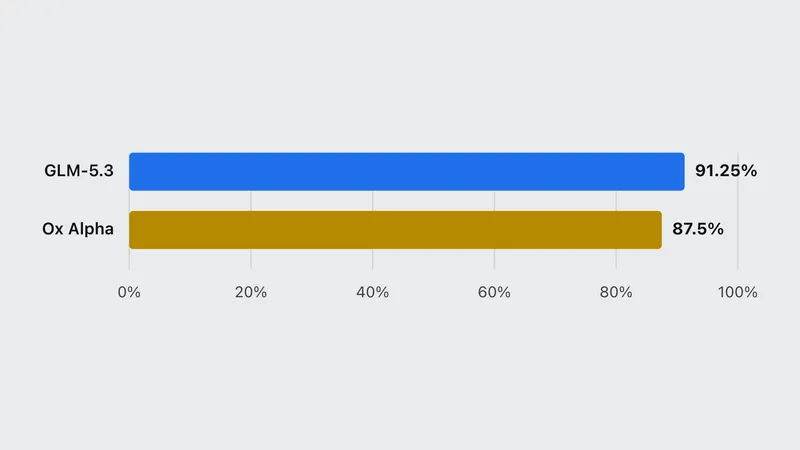
Ox Alpha lists $0 input and $0 output on OpenRouter and moves about 100 trillion tokens a day. Two data policies and an anonymous counterparty are the catch.
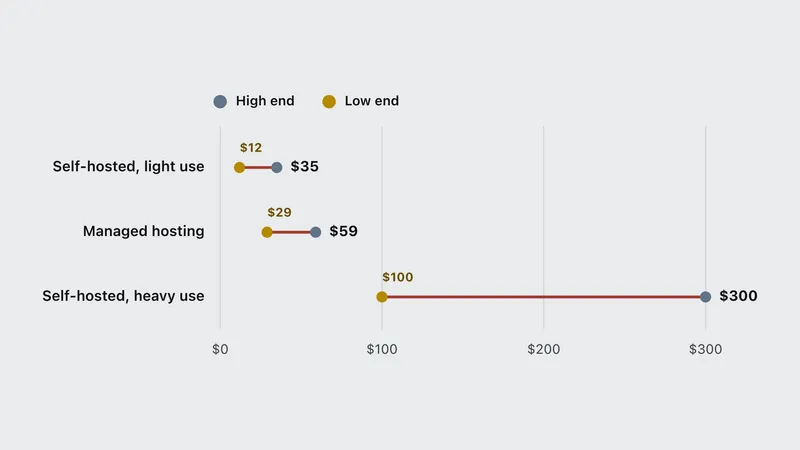
OpenClaw and Hermes Agent are free to download. Running one is not: hosting, tokens, and your time put a real personal agent at $10-300 a month.
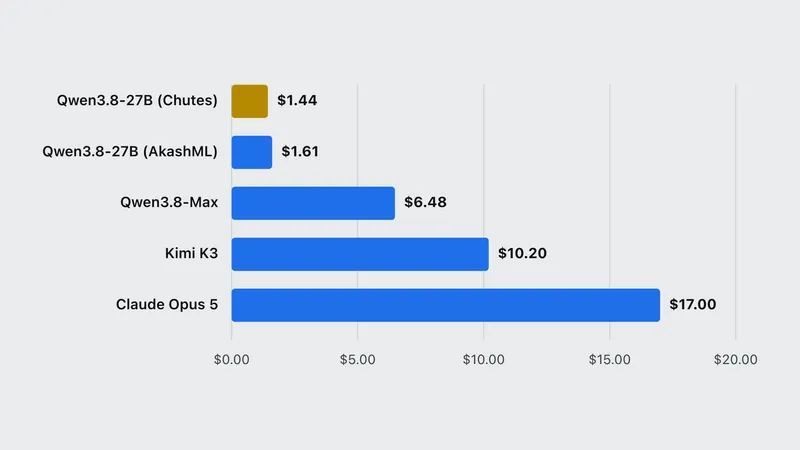
Apache 2.0 weights for Qwen3.8-27B landed on August 14, 2026. Strong vendor scores, hosted tokens at 80 percent off the flagship, and a catch in the local math.
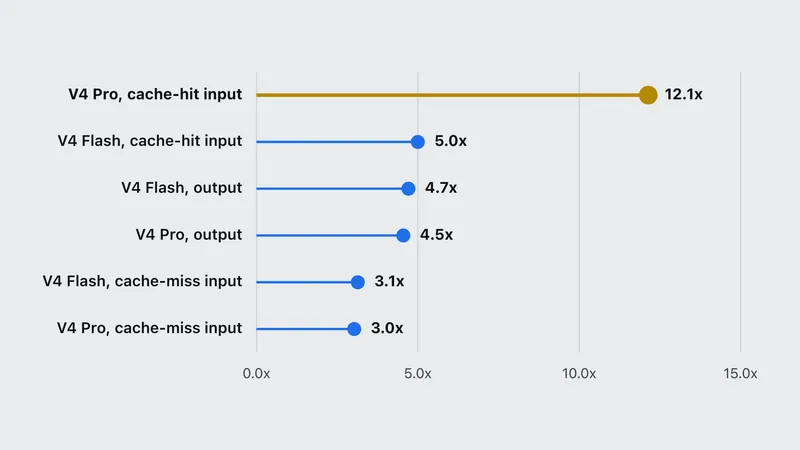
DeepSeek open sourced its agent harness under MIT on August 13, then repriced the API three days later. What it does and what it costs to run.
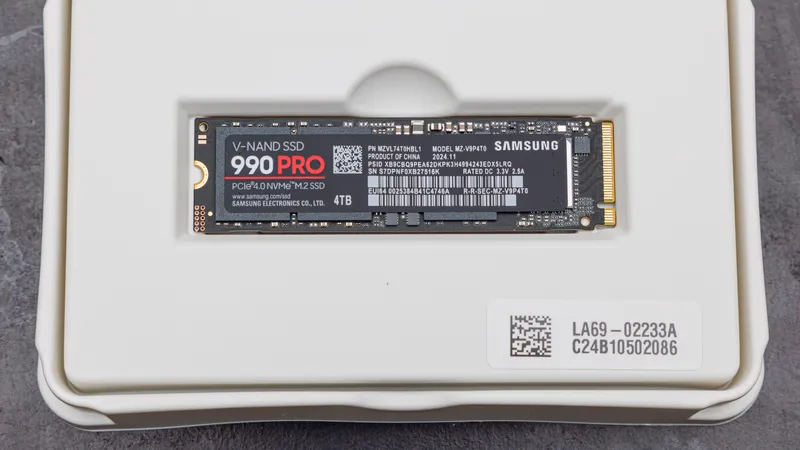
NAND contract prices ran 70 to 75 percent in one quarter, and the cheapest 2TB NVMe drive hit $209.99 by August 2026. What drove it, and what happens next.
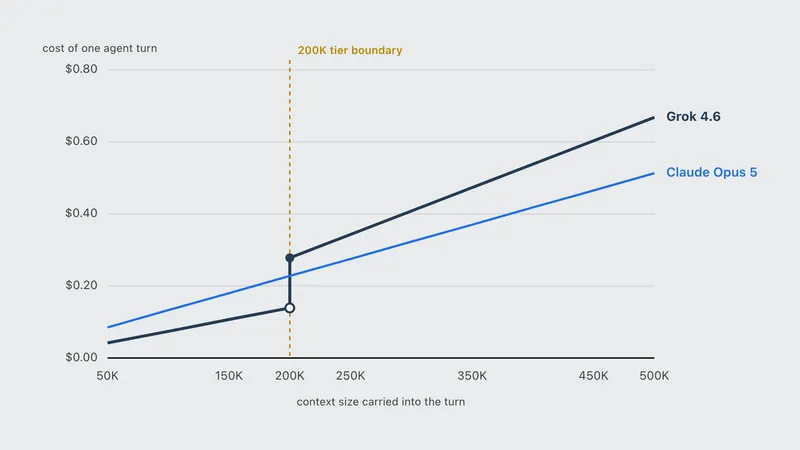
Grok 4.6 kept the $2 and $6 headline but raised cached input 67 percent, and doubles every rate past 200K tokens. What that does to an agent bill.
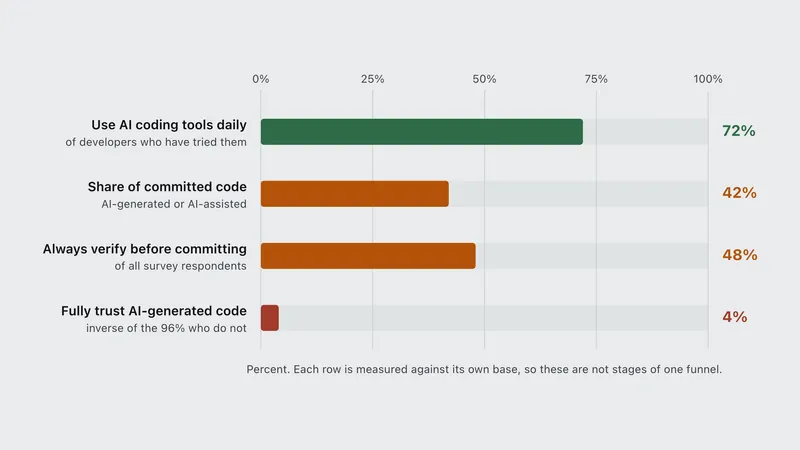
AI writes 42 percent of committed code, yet the measured productivity gain stays contested. A sourced survey of the tools, techniques and evidence.
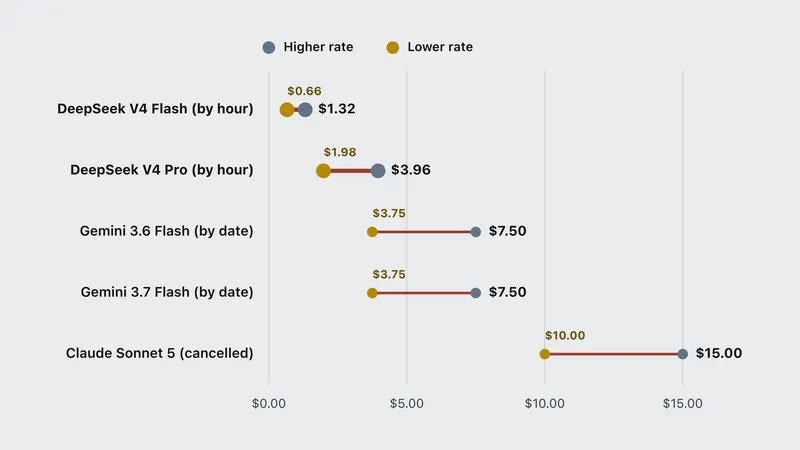
Every new AI model released in August 2026 with dates, verified per-token prices and primary sources, plus the price changes that landed alongside them.
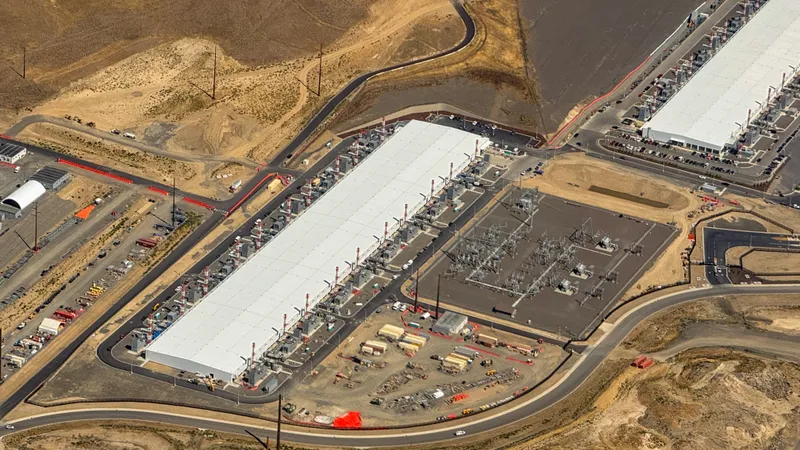
Alphabet, Microsoft and Meta spent about $198B in the first half of 2026 and Nvidia booked $75.2B in a quarter. Who is funding the rest with debt.
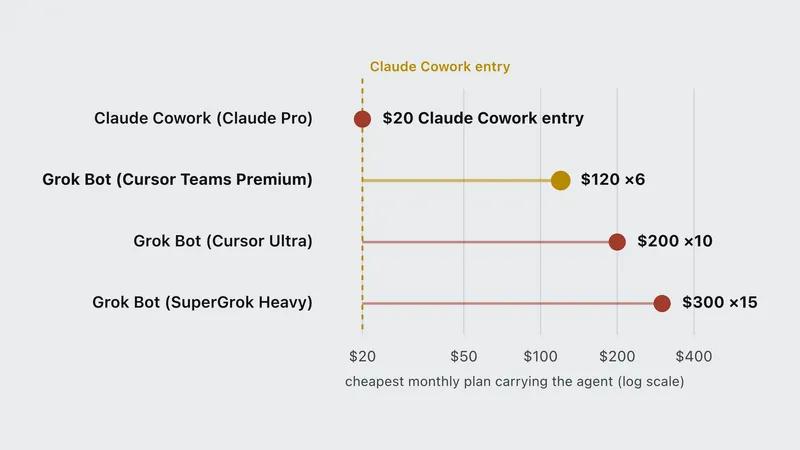
Grok Bot needs a $120, $200 or $300 per month plan while Claude Cowork ships from $20. What the seat price buys and where it breaks even.
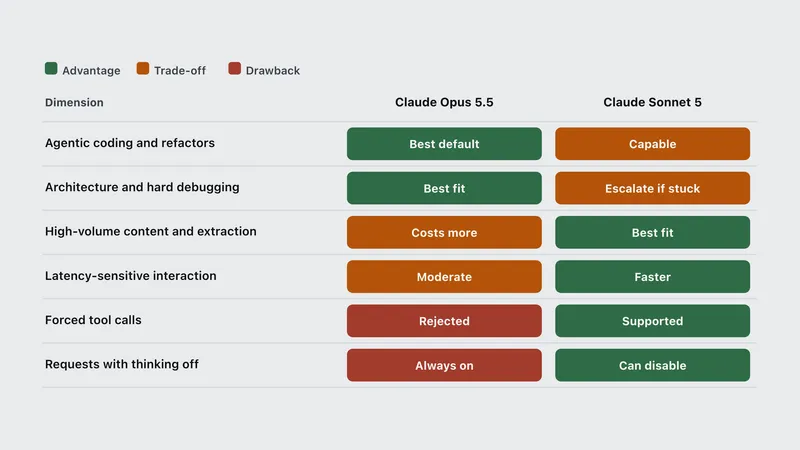
Anthropic now starts most workloads on Claude Opus 5.5, at twice the Sonnet 5 token price. Compare cost per task, benchmarks, speed, and when Sonnet wins.
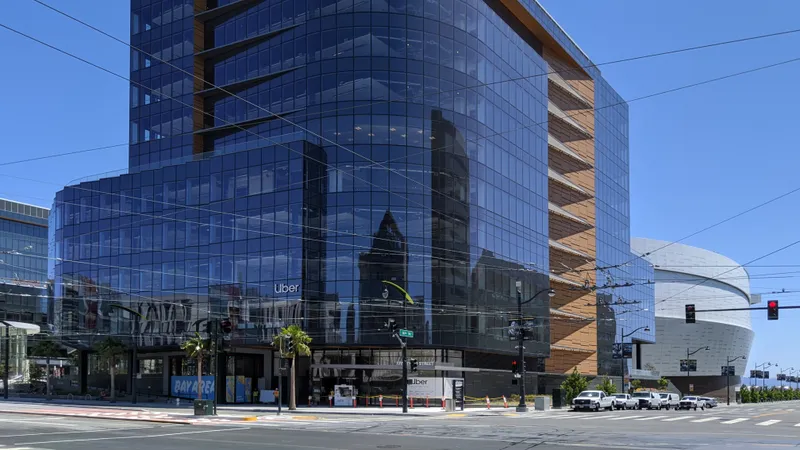
Uber and Walmart capped employee AI use after costs surged. Learn what token budgets reveal and how enterprises can measure AI spend, value, and ROI.
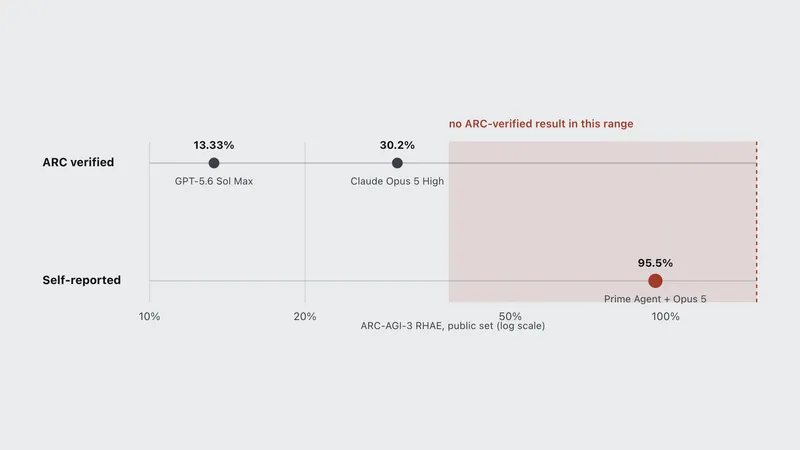
Prime Intellect reports 95.5% on ARC-AGI-3. The ARC-verified ceiling on that same set is 30.2%. What the harness costs in tokens, and what the gap measures.
Analysis of AI pricing, API bills, subscriptions and the real cost of completing useful work.
This topic collects 135 analyses, and they are written to be read together rather than one at a time: the featured guide sets out the shape of the problem, and the pieces below work through the individual numbers, tradeoffs and edge cases behind it. Every figure is attributed to a primary source at the point it is used and carries the date it was verified, because prices and benchmark results in this area go stale in weeks rather than years. Where a number is modeled rather than measured, the assumptions are stated so the arithmetic can be checked.
The topics on this site overlap by design. This one runs into AI markets and Coding agents, and a question that starts in one usually ends in another: a pricing decision turns into a hardware decision, a benchmark result turns into a cost question. Follow the links inside the posts rather than treating these archives as separate shelves.
Model your cost per taskCompare a subscription against the APICheck current plan prices