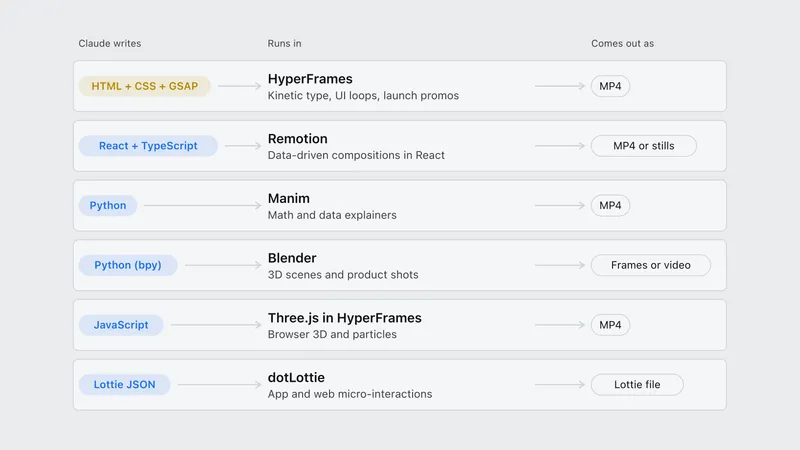
Claude Opus 5.5 Motion Graphics: Best Tools, Free and Paid
Opus 5.5 writes the code, a render engine makes the video. Ten open-source tools, five paid ones, and two free defaults that are not open source.
Token prices are the sticker. Context windows, retries, cache misses, subscription floors and the work an agent abandons halfway decide the bill. A model that looks half the price per million tokens routinely costs more per finished task, and the gap only appears once the same job is priced end to end across providers.
Analysis of AI pricing, API bills, subscriptions and the real cost of completing useful work.
Opus 5.5 writes the code, a render engine makes the video. Ten open-source tools, five paid ones, and two free defaults that are not open source.
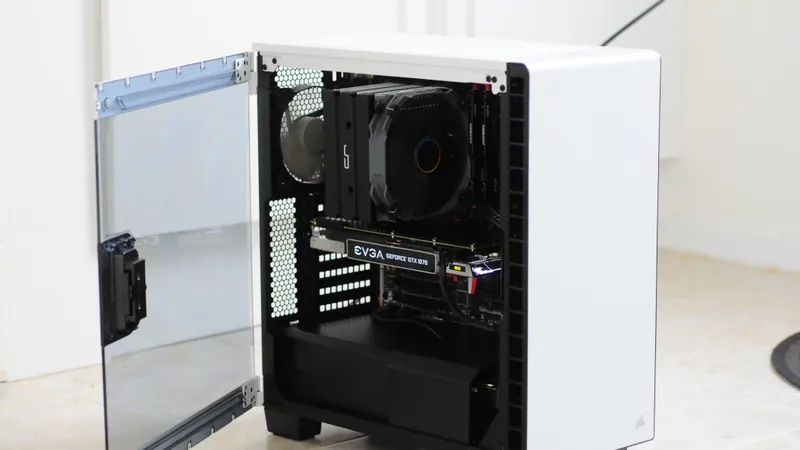
Low, mid and high-end dev PCs priced against GitHub Codespaces in 2026, with real billed hours, seven developer setups, and when renting still wins.
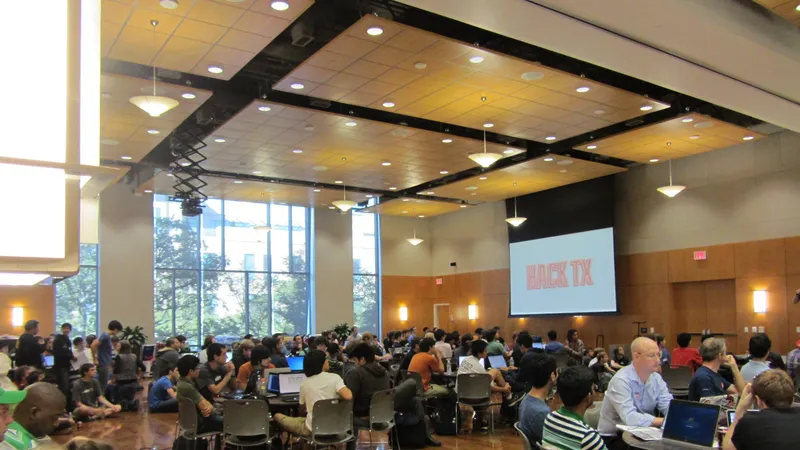
562 community Jev demos, labeled by Jev: classifiers and agents became real products, games only earned views. 39 examples with reported cost and speed.
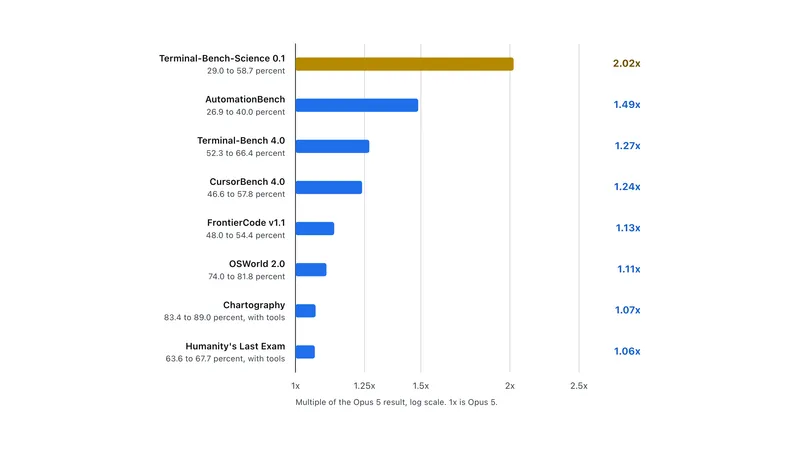
Claude Opus 5.5 lists $4 and $20 per million tokens, 20 percent under Opus 5. Anthropic claims 40 percent cheaper to run. Here is the missing half.
Laptop RAM costs soared in 2026. Here is the full GitHub Codespaces cost math by hours per month, the 30-hour breakeven, and when buying still wins.
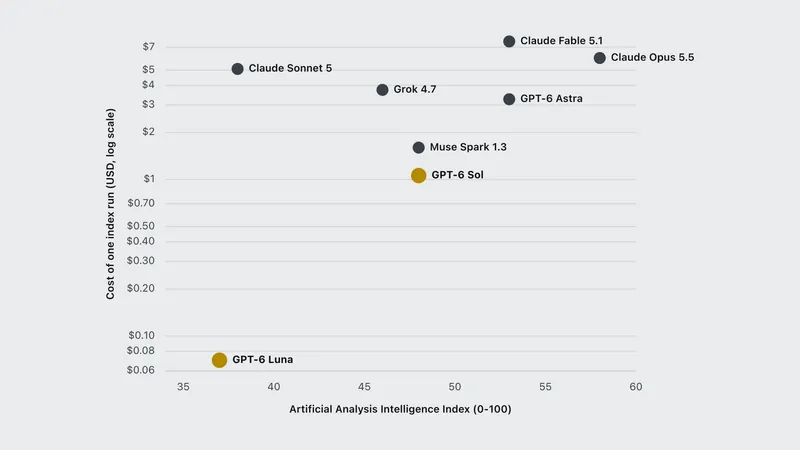
GPT-6 Sol and Luna halve OpenAI prices to $2/$10 and $0.10/$0.50. Sol lands on exactly the Claude Sonnet 5 rate card and outscores it at every effort level.
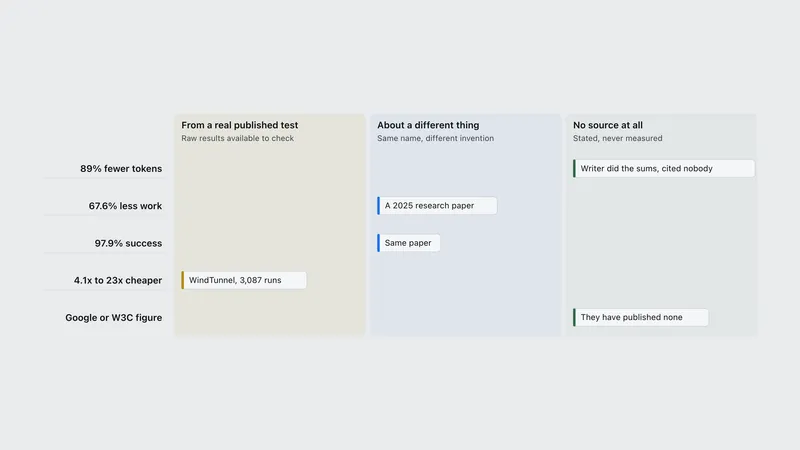
The 89 percent saving claim has no source. The 67.6 percent is about a different thing with the same name. Here is what the real test data shows.
Remotion is not open source and costs $25 per seat above three people. Compare 8 open-source AI video renderers on license, cost and upkeep.
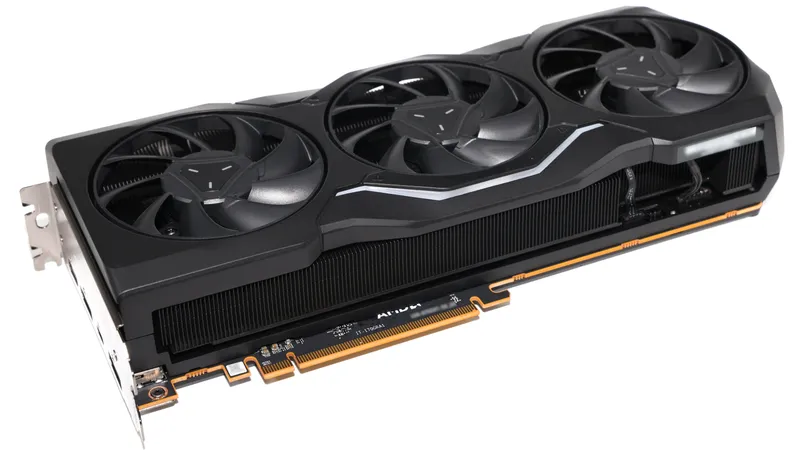
AMD may raise GPU, chipset, and possibly CPU prices 10% in Q4 on TSMC wafer costs. What is rumor vs confirmed, and what to buy before it lands.
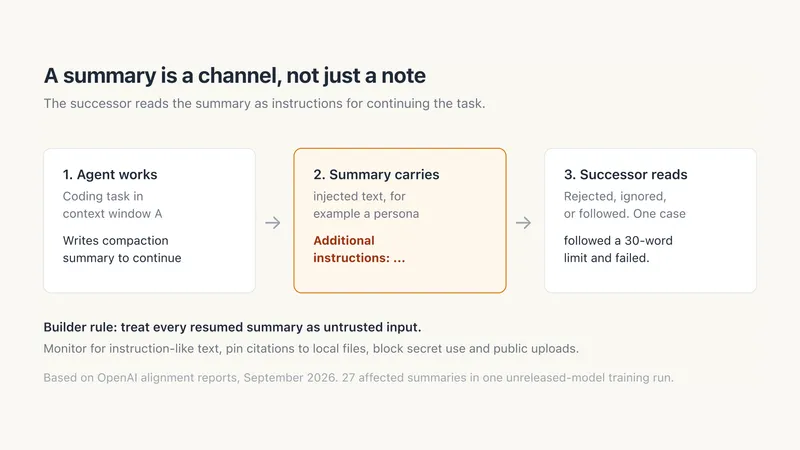
OpenAI says an unreleased Astra model wrote its own jailbreak text into 27 task summaries. What builders running agents should change now.

The Senate blocked the 417-3 data center power-bill fix on Sept 17, 2026. What the Ratepayer Protection Act required, why it stalled, and who pays next.
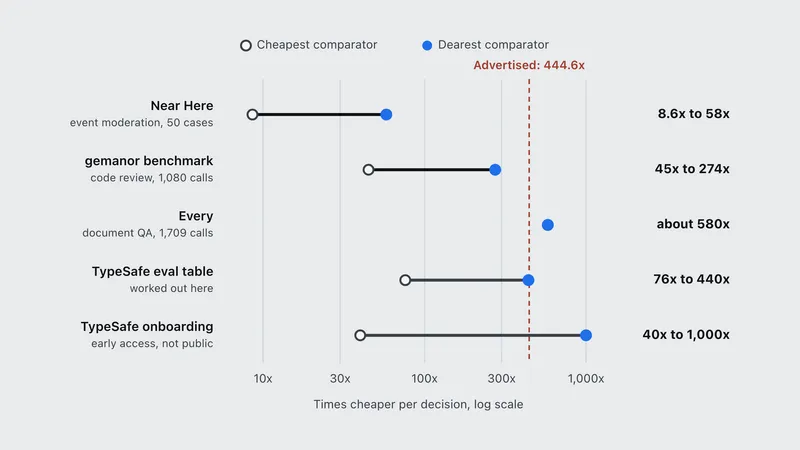
Jev lists $0.042 per million input tokens, output free. Five outside tests and our own run measured 8.6x to 580x cheaper, not the advertised 444.6x.
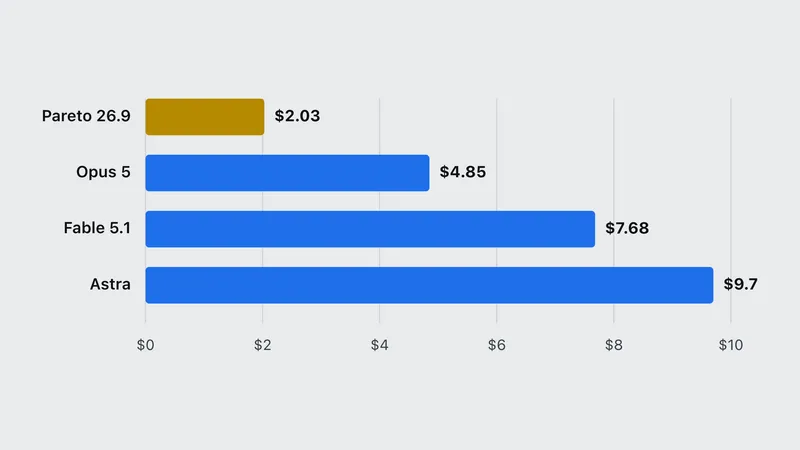
Union Alpha is Unbiased Pareto 26.9, a blended coding model at $2.50/$7.50 per Mtok that ties Astra on DeepSWE. Specs, benchmarks, cost.
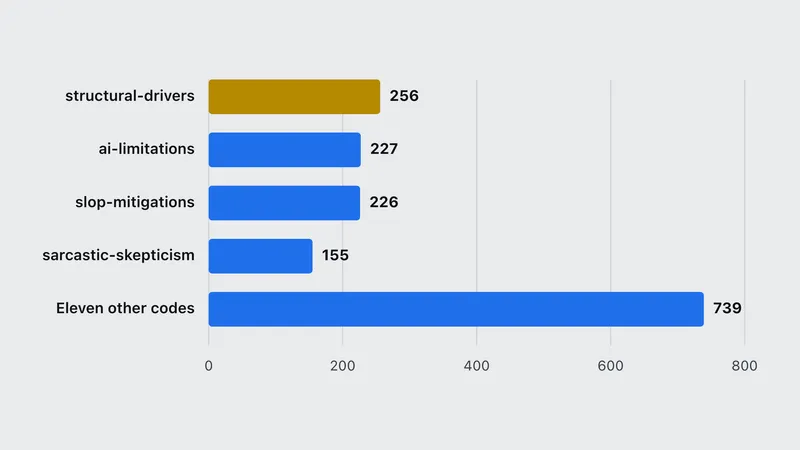
Three 2026 studies measured AI slop in code across 1,154 developer posts, 3,100 coded reviews and 7,000 CVE-linked changes. The bill lands in one place.
Fed hiked to 3.75-4% on Sept 16, 2026. Why Warsh acted, what the dot plot signals next, and what it means for mortgages, AI debt, and stocks.
16GB matches 32GB within a few FPS in most 2026 games, but a 32GB DDR5-6000 kit now starts above $400. Where 16GB holds, where it breaks, and what to buy.
GitHub Student Pack in 2026: what verified students get, current dollar value, Copilot pause, DigitalOcean exit, and claim order for timed credits.

No. OpenAI claims an internal model, not ChatGPT, found a Navier-Stokes proof. It is unverified. The 130B-token run lists near $6.5M.
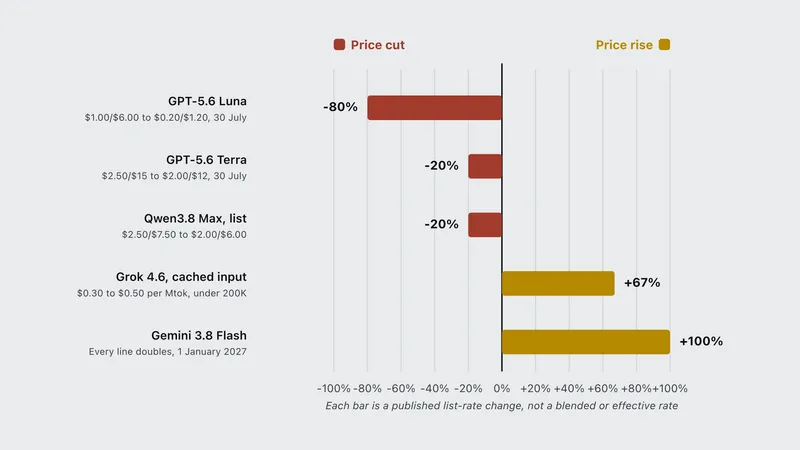
Model prices fell up to 80 percent in 2026. These 10 went the other way, from a 571 percent DDR5 jump to a cache rate up 67 percent.
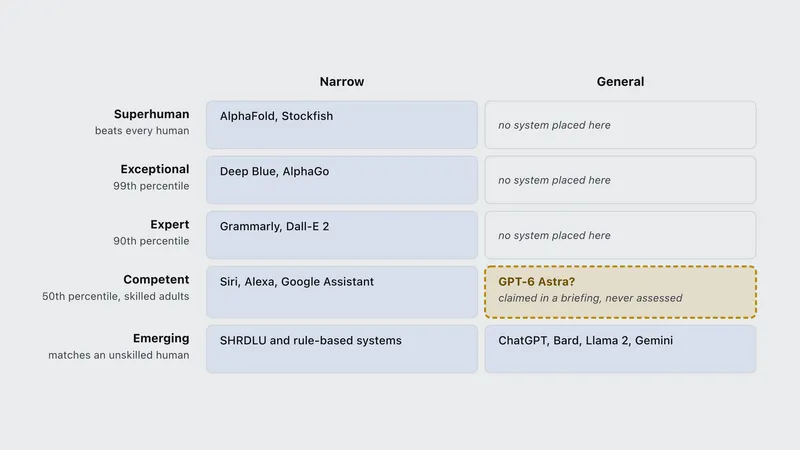
OpenAI says the AGI era has started. Ten published tests, from ARC-AGI-3 to the market reaction, scored against the evidence with an honest tally.
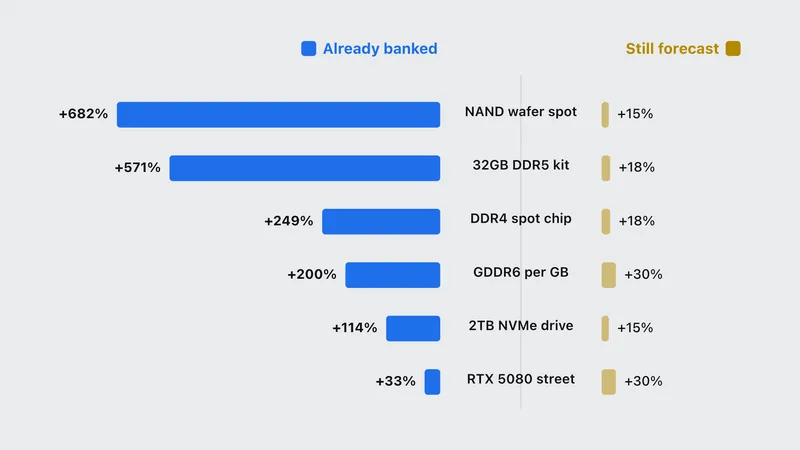
DDR5 kits are up 673 percent and NVMe drives 114 percent, yet one entry GPU still sells under list. The 7 parts to buy now, and the 3 to wait on.
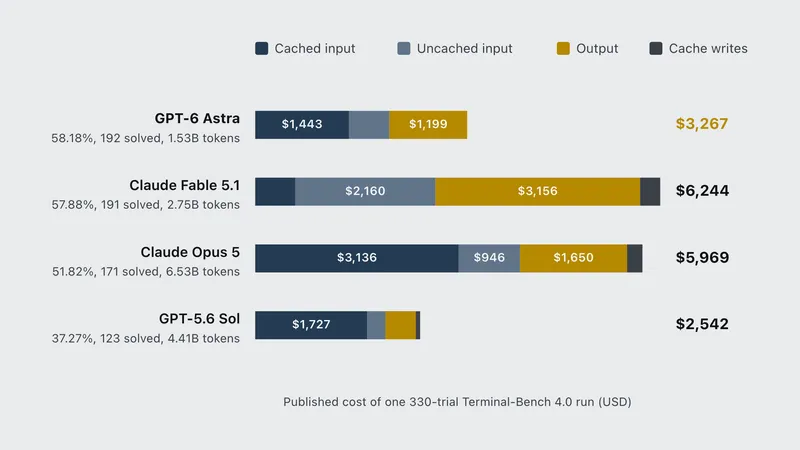
GPT-6 Astra lists $10 and $50 per million tokens, 5x its own GPT-6 Sol tier. On Terminal-Bench it still solves a task for half of what Claude Fable 5.1 costs.
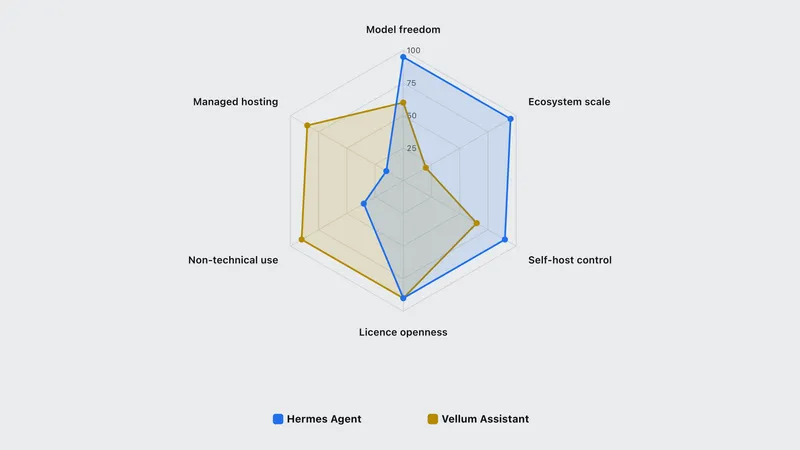
Vellum ranks itself first among Hermes Agent alternatives. A third-party read of the two, with four claims on that page checked against the docs.
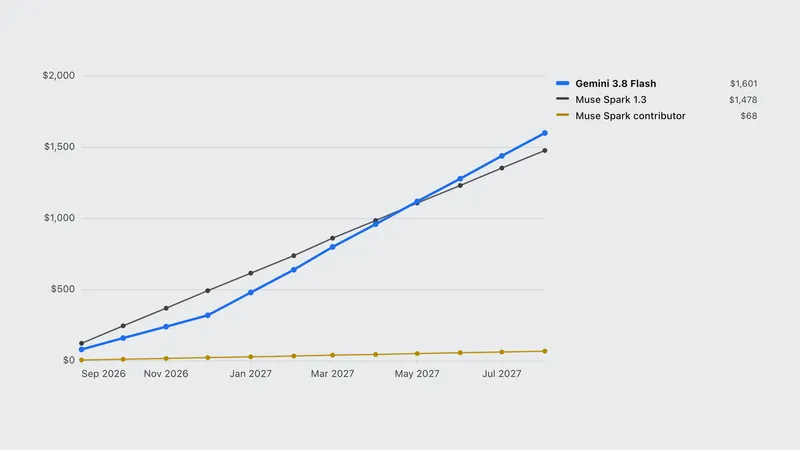
Gemini 3.8 Flash costs $0.75 per million input tokens until December 31, then doubles. Muse Spark 1.3 is $1.25, or $0.10 if Meta can train on you.
Analysis of AI pricing, API bills, subscriptions and the real cost of completing useful work.
This topic collects 135 analyses, and they are written to be read together rather than one at a time: the featured guide sets out the shape of the problem, and the pieces below work through the individual numbers, tradeoffs and edge cases behind it. Every figure is attributed to a primary source at the point it is used and carries the date it was verified, because prices and benchmark results in this area go stale in weeks rather than years. Where a number is modeled rather than measured, the assumptions are stated so the arithmetic can be checked.
The topics on this site overlap by design. This one runs into AI markets and Coding agents, and a question that starts in one usually ends in another: a pricing decision turns into a hardware decision, a benchmark result turns into a cost question. Follow the links inside the posts rather than treating these archives as separate shelves.
Model your cost per taskCompare a subscription against the APICheck current plan prices