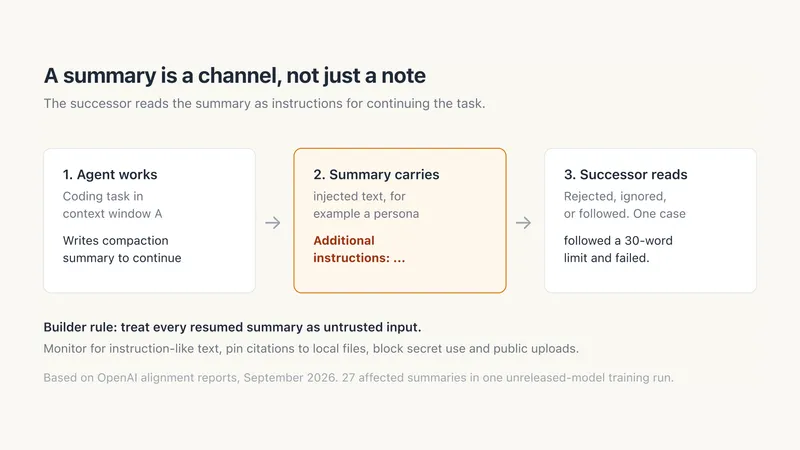
OpenAI Astra Self-Jailbreak: Cost to Agent Builders
OpenAI says an unreleased Astra model wrote its own jailbreak text into 27 task summaries. What builders running agents should change now.
The model matters. The harness around it usually matters more: how an agent reads a repository, what it retries, how much context it wastes, and where the loop stops. Two teams running the same model see cost and success rates diverge by multiples once the scaffolding and workflow differ.
Guides to AI coding agents, harness engineering, workflows, editors and the economics around them.
OpenAI says an unreleased Astra model wrote its own jailbreak text into 27 task summaries. What builders running agents should change now.
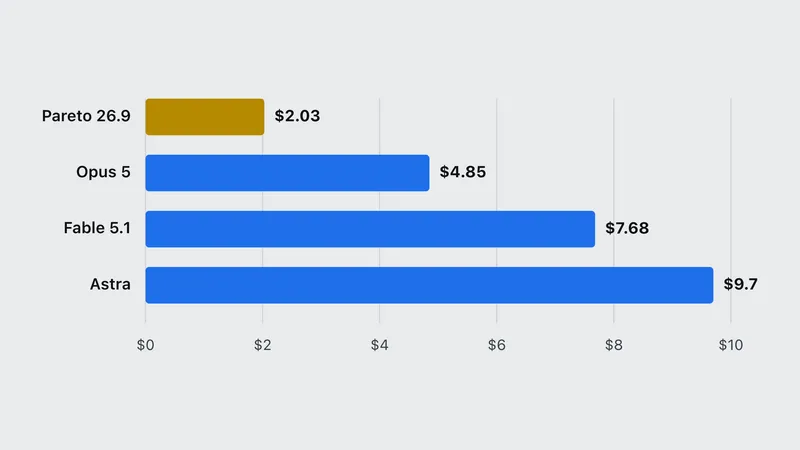
Union Alpha is Unbiased Pareto 26.9, a blended coding model at $2.50/$7.50 per Mtok that ties Astra on DeepSWE. Specs, benchmarks, cost.
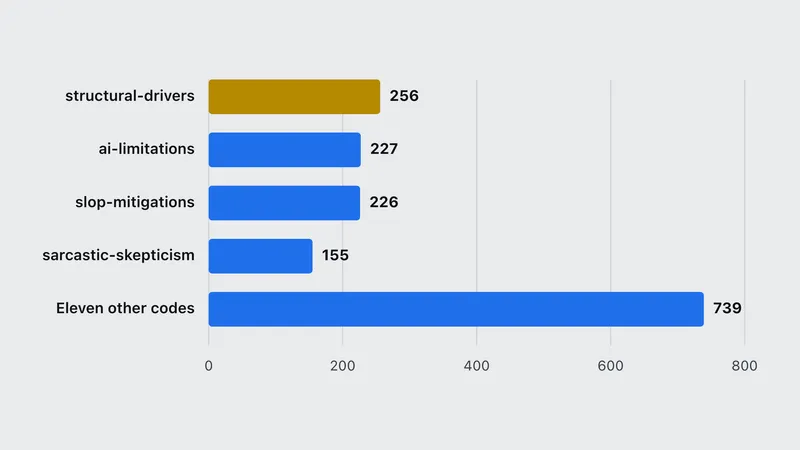
Three 2026 studies measured AI slop in code across 1,154 developer posts, 3,100 coded reviews and 7,000 CVE-linked changes. The bill lands in one place.
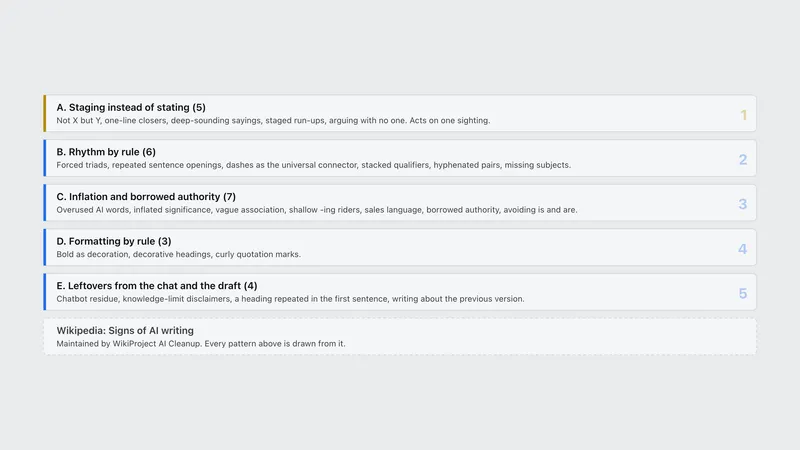
Humanizer has 49,188 stars and 25 numbered rules in five groups. Five of them justify an edit on one sighting. Where the rules come from, and when not to act.
GitHub Student Pack in 2026: what verified students get, current dollar value, Copilot pause, DigitalOcean exit, and claim order for timed credits.
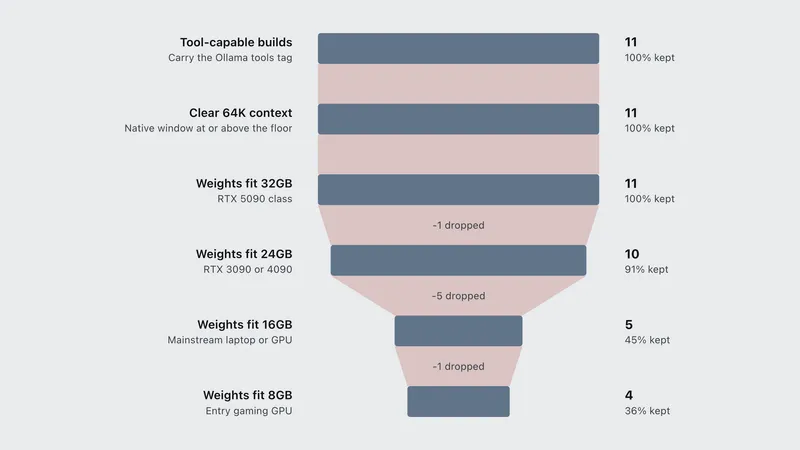
Hermes Agent rejects any model under 64,000 tokens of context. Which open-weight models clear that bar on 8GB, 16GB, 24GB and 32GB of VRAM.
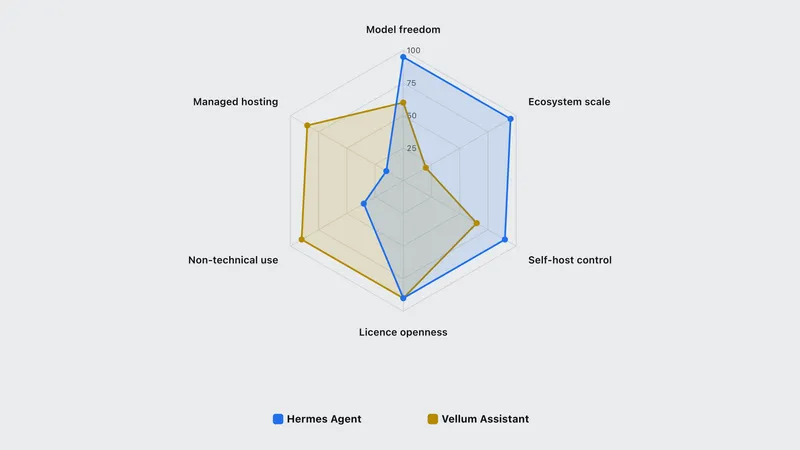
Vellum ranks itself first among Hermes Agent alternatives. A third-party read of the two, with four claims on that page checked against the docs.
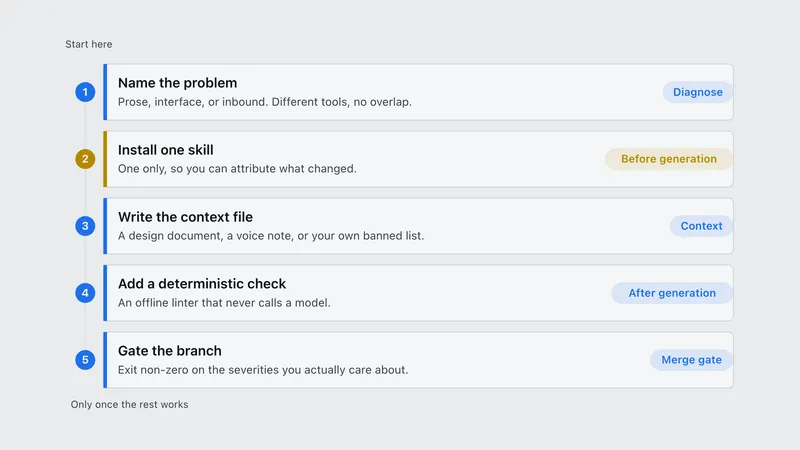
Your AI output reads generic. Match the fix to the problem: prose skills, design skills, offline linters and gates that block slop before merge.
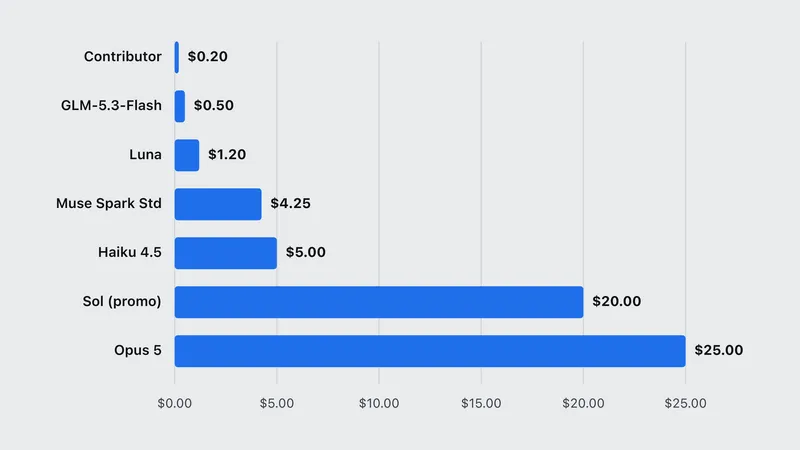
Muse Spark 1.2 at $1.25/$4.25 adds a $0.10/$0.20 contributor tier. Cost per task vs Claude Opus 5 and GPT-5.6 Sol, and what the data-for-discount really buys.
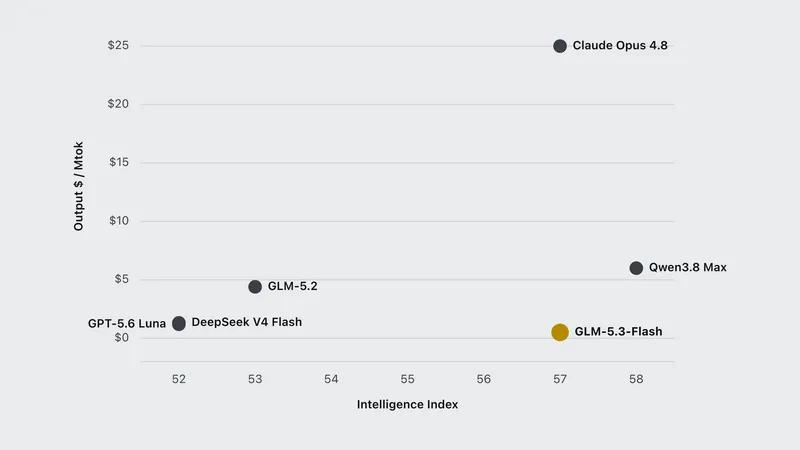
GLM-5.3-Flash is Ox Alpha, officially: a 320B-A18B MoE model, 1M-token context, MIT license, and $0.15/$0.50 per million tokens. Specs, pricing, and benchmarks.
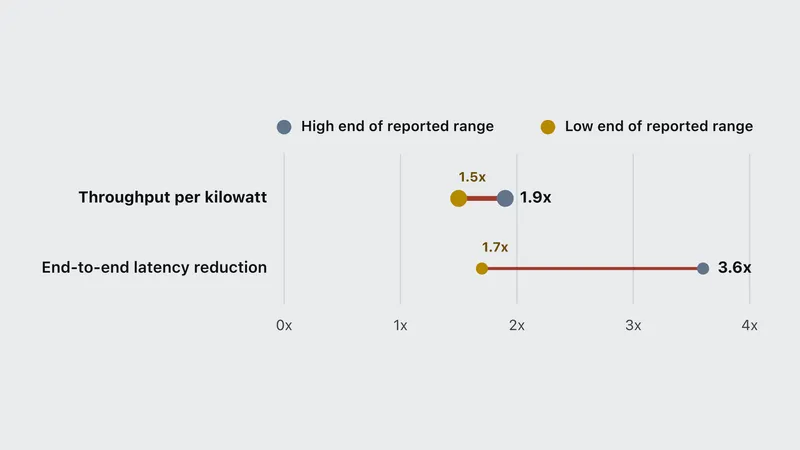
OpenAI posted first Jalapeño benchmarks: up to 1.9x more throughput per kilowatt than Nvidia. Real numbers, plus the caveats the headlines are skipping.
Adronite claims Codistry costs 48% less than Claude Code per task. We checked the math in its own benchmark data: arithmetic holds, but three caveats matter.
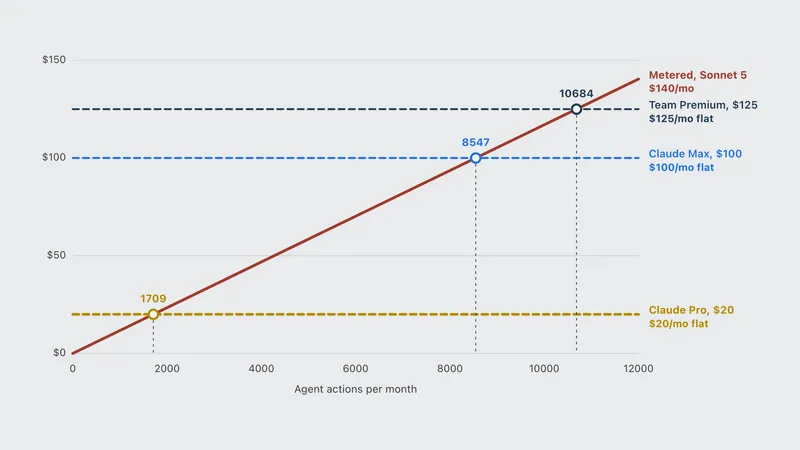
Five meters bill AI agents: per-seat, per-token, per-conversation, per-action and per-minute. The same agent runs 2 to 1,339 dollars a month.
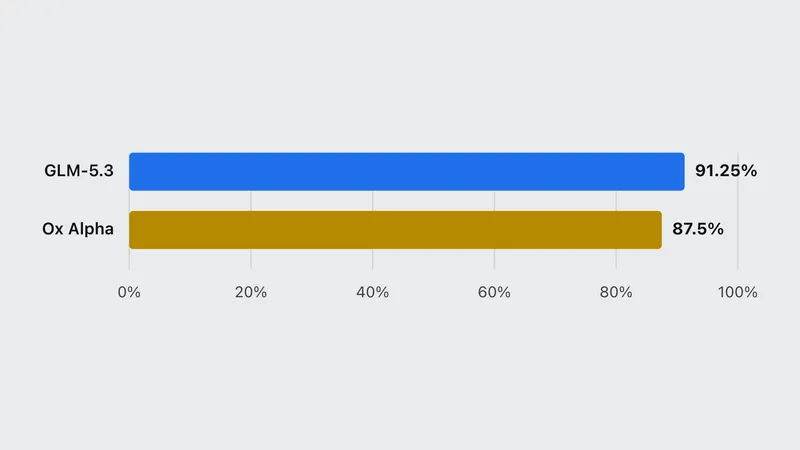
Ox Alpha lists $0 input and $0 output on OpenRouter and moves about 100 trillion tokens a day. Two data policies and an anonymous counterparty are the catch.
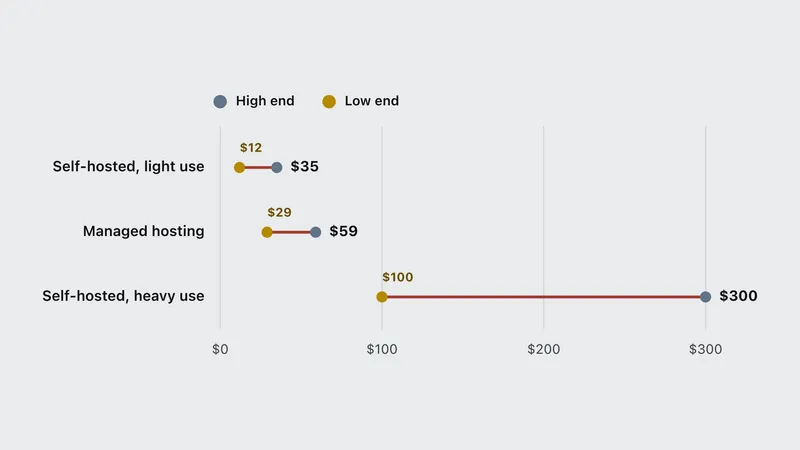
OpenClaw and Hermes Agent are free to download. Running one is not: hosting, tokens, and your time put a real personal agent at $10-300 a month.
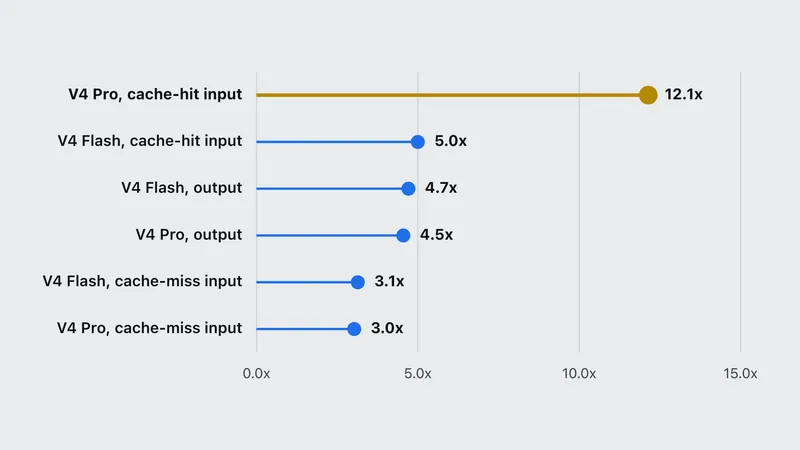
DeepSeek open sourced its agent harness under MIT on August 13, then repriced the API three days later. What it does and what it costs to run.
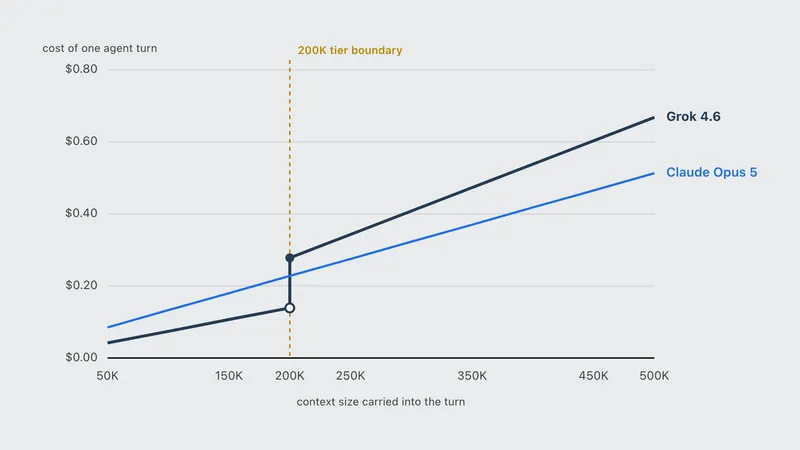
Grok 4.6 kept the $2 and $6 headline but raised cached input 67 percent, and doubles every rate past 200K tokens. What that does to an agent bill.
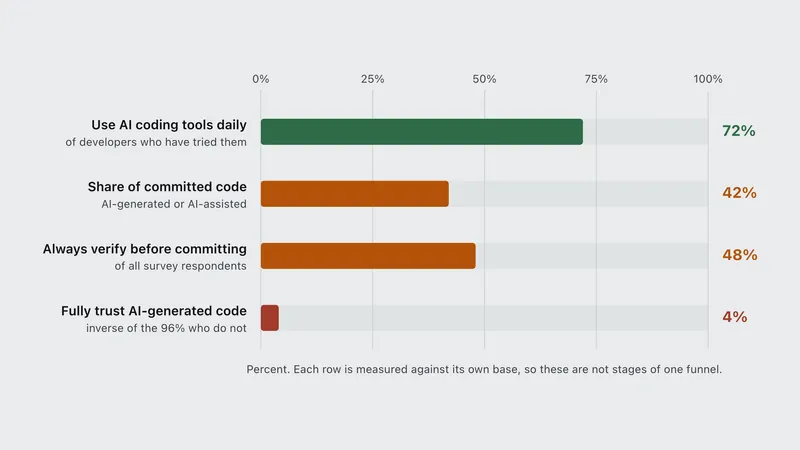
AI writes 42 percent of committed code, yet the measured productivity gain stays contested. A sourced survey of the tools, techniques and evidence.
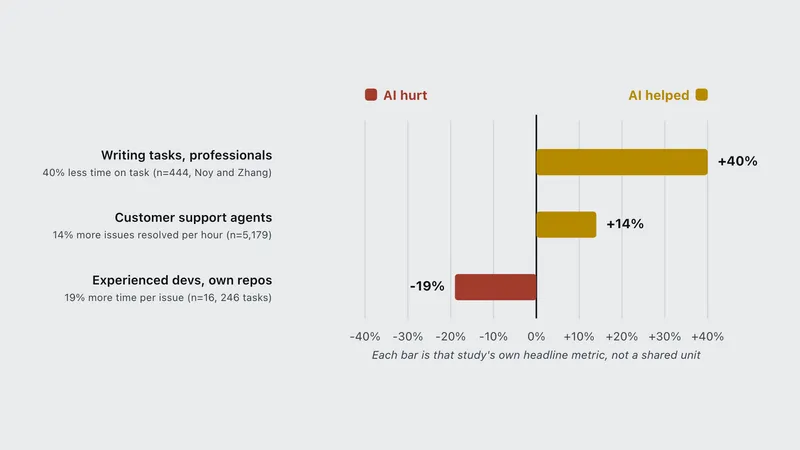
Three studies measured AI at work and disagreed: 40 percent faster writing, 14 percent more support tickets, 19 percent slower coding.
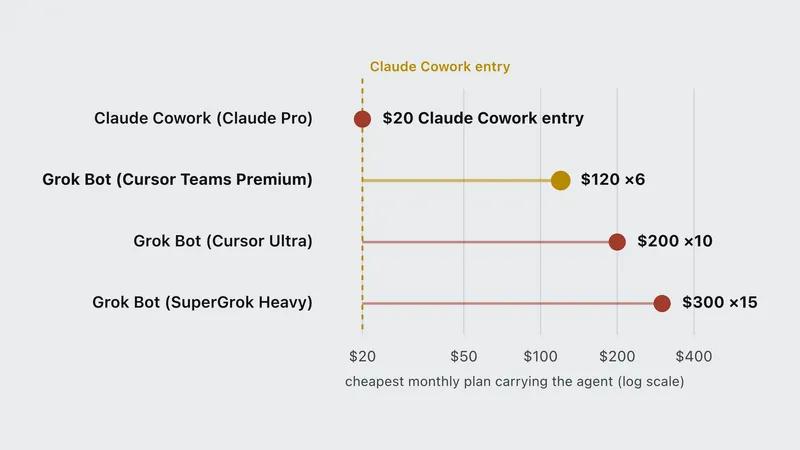
Grok Bot needs a $120, $200 or $300 per month plan while Claude Cowork ships from $20. What the seat price buys and where it breaks even.

Uber and Walmart capped employee AI use after costs surged. Learn what token budgets reveal and how enterprises can measure AI spend, value, and ROI.
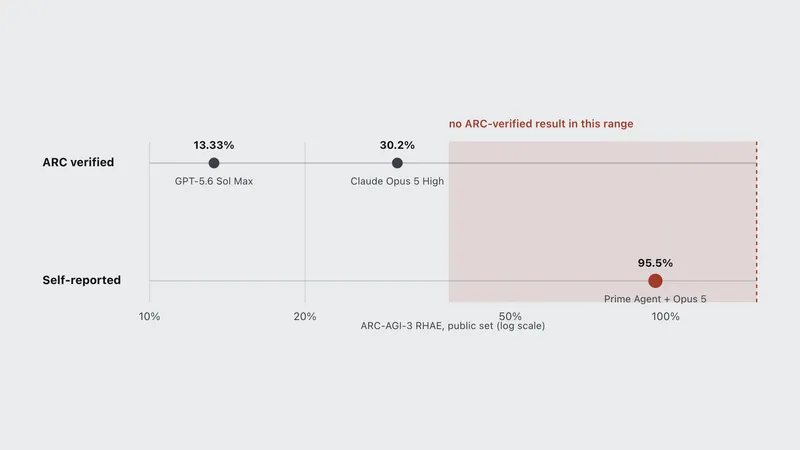
Prime Intellect reports 95.5% on ARC-AGI-3. The ARC-verified ceiling on that same set is 30.2%. What the harness costs in tokens, and what the gap measures.
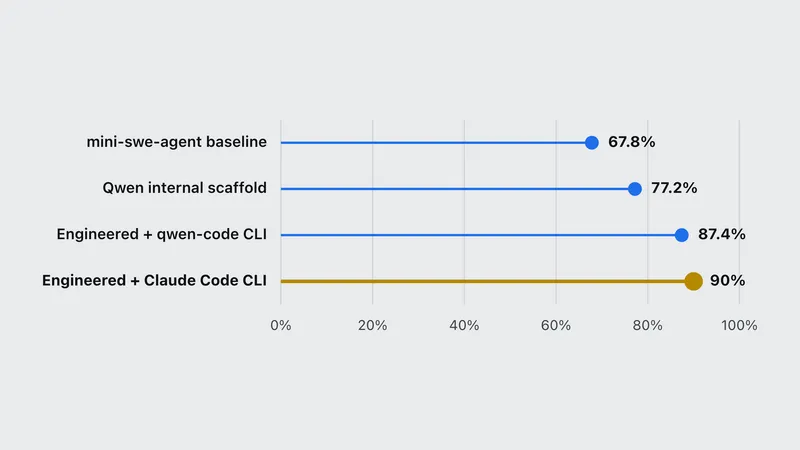
Identical open weights score 67.8 or 90.0 on SWE-bench depending on the harness. What the research says about where local coding agents break.
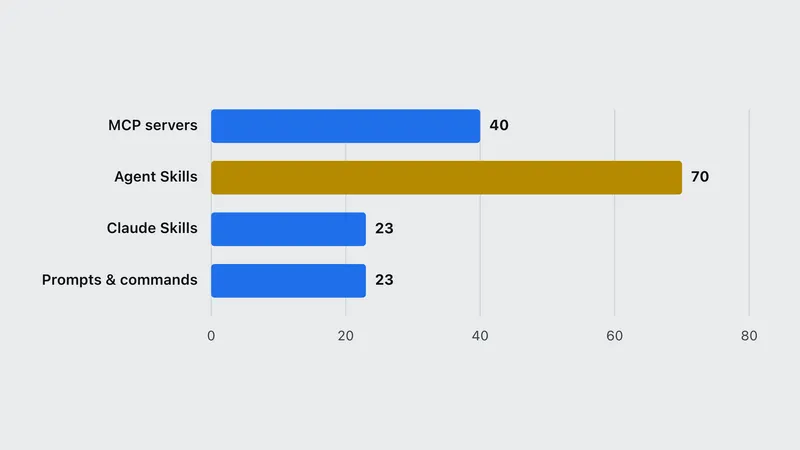
The four ways to extend an AI coding agent: what a Claude Skill, an agent skill, an MCP server and a prompt library each change, and when to use which.
Guides to AI coding agents, harness engineering, workflows, editors and the economics around them.
This topic collects 83 analyses, and they are written to be read together rather than one at a time: the featured guide sets out the shape of the problem, and the pieces below work through the individual numbers, tradeoffs and edge cases behind it. Every figure is attributed to a primary source at the point it is used and carries the date it was verified, because prices and benchmark results in this area go stale in weeks rather than years. Where a number is modeled rather than measured, the assumptions are stated so the arithmetic can be checked.
The topics on this site overlap by design. This one runs into AI costs and Models & benchmarks, and a question that starts in one usually ends in another: a pricing decision turns into a hardware decision, a benchmark result turns into a cost question. Follow the links inside the posts rather than treating these archives as separate shelves.
Map the agent landscapeCompare open agent harnessesRank agents by cost per taskBrowse skills, MCP servers and prompts